
Emergency Dentist in Waco, TX
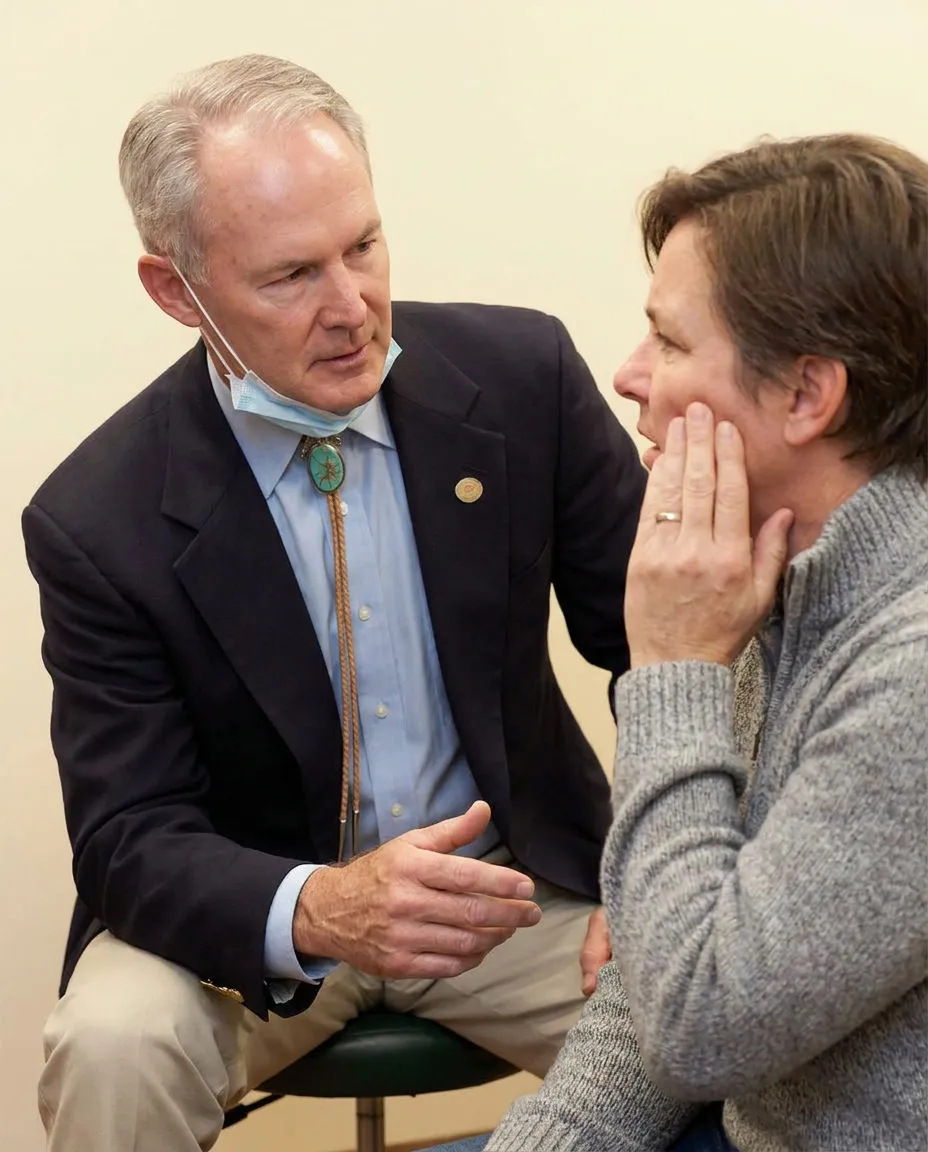
An urgent dental problem can leave you unsure what to do next. We’ll listen, help you understand what may be happening, and guide you toward the right next step so you can get timely attention without added uncertainty.
- Find What’s Causing the Pain
- Get Pain Relief Fast
- Know Your Treatment Options
- Save Your Tooth When Possible
Complete Care, One Place
Dental care for every stage of your smile, right here in Waco.
Dentists Who Know You
Experienced Waco dentists who know your smile and your needs.
Insurance Made Simple
We help you understand your benefits and handle the claims for you.
Here When You Need Us
Broken, or aching, call early and we'll do our best to see you same day.
Not Sure If It's a Dental Emergency?
Start with what you’re experiencing. We’ll help you understand whether to call us today, schedule the next available appointment, or seek emergency medical care first.
- CALL US NOW
Call for Urgent Dental Care
These symptoms should be seen quickly. Call us and we’ll do our best to see you the same day when our schedule allows, or at the earliest available time.
Severe or throbbing tooth pain
A knocked-out tooth
Swelling in your face or gums
An abscess that persists
A broken tooth with sharp edge
- URGENT, NOT CRITICAL
Book the Next Available Visit
These concerns do not require immediate care, but should be checked. Schedule an appointment so the problem does not worsen.
A small chip with no pain
A lost filling or crown
A dull ache that persists
A sore jaw or sensitive tooth
Food stuck under the gum line
- SERIOUS SYMPTOMS
Head to the ER, Then Call Us
Some symptoms need emergency medical care first. Once you are stable, call our dental office for any dental treatment you may need.
Trouble breathing
Swelling spreading to your eye
Bleeding that won't stop
A possible broken jaw
Loss of consciousness
Find Your Problem. Know What to Do Next.
Choose what you’re dealing with to see what you can do right now, what to avoid, and how we can help once you’re in the chair.
- Severe toothache
- Knocked-out tooth
- Broken or cracked tooth
- Swelling or abscess
- Lost filling or crown
- Cut lip, gum, or tongue
Not on the list? Call and describe it — we will tell you honestly whether you need to be seen today.
Severe toothache
Sharp, throbbing, or constant tooth pain can make it hard to eat, sleep, or focus. It may point to deep decay, an infection, or irritation inside the tooth.
- 01
Rinse gently with warm salt water.
- 02
Floss around the tooth to remove anything trapped.
- 03
Hold a cold pack against your cheek for 20 minutes at a time.
- 04
If safe for you, use an over-the-counter pain reliever as directed. Never place aspirin directly on your gums.
We’ll examine the tooth and use digital x-rays when needed to find the source of your pain. Treatment may include a filling, root canal, or extraction depending on what’s causing it, with the goal of relieving your pain and protecting your oral health.
Knocked-out tooth
An adult tooth has been completely knocked out of its socket after a fall, hit, or other injury. Acting quickly can improve the chance of saving the tooth.
- 01
Pick up the tooth by the crown, not the root.
- 02
If it is dirty, gently rinse it with water. Do not scrub it.
- 03
If possible, place it back in the socket without forcing it.
- 04
If you cannot replace it, keep it moist in milk and call us immediately.
Time matters with a knocked-out tooth. We’ll examine the area and determine whether the tooth can be repositioned and stabilized. If it cannot be saved, we’ll discuss your options for replacing it and restoring your smile.
Broken or Cracked Tooth
A tooth may feel sharp, sensitive, painful when you bite, or look visibly chipped or broken. Even a crack that seems small can extend deeper than you can see.
- 01
Rinse your mouth gently with warm water.
- 02
Save any broken pieces of the tooth if you can find them.
- 03
Use a cold pack on your cheek if there is swelling.
- 04
Avoid chewing on that side until we can examine the tooth.
We’ll check how far the damage extends and whether the nerve is involved. Depending on the tooth, treatment may include bonding, a filling, crown, root canal, or another restorative option.
Swelling or Abscess
Swelling, a tender bump on the gums, persistent tooth pain, or a bad taste in your mouth can be signs of a dental infection that should not be ignored.
- 01
Rinse gently with warm salt water.
- 02
Use a cold pack against your cheek to help with swelling.
- 03
Do not squeeze, pop, or drain the swollen area yourself.
- 04
Call us promptly. If you have trouble breathing or swallowing, seek emergency medical care.
We’ll locate the source of the infection and determine how far it has spread. Treatment may involve draining the infection, root canal therapy, extraction, or other care based on what we find.
Lost Filling or Crown
A filling or crown can loosen or come out while eating, leaving the tooth exposed or sensitive. Even without pain, the tooth underneath can be vulnerable to further damage.
- 01
Rinse your mouth gently and keep the area clean.
- 02
If a crown came off, save it and bring it with you.
- 03
Avoid chewing hard or sticky foods on that side.
- 04
Do not use household glue to put a crown back in place.
We’ll examine the exposed tooth and check for decay or damage. When possible, we may be able to reattach the crown. Otherwise, we’ll repair or replace the restoration to protect the tooth again.
Cut Lip, Gum, or Tongue
A bite, fall, or injury can cause bleeding from the lips, gums, tongue, or other soft tissue inside your mouth. Many minor cuts heal well once the bleeding is controlled.
- 01
Rinse gently with clean water to see where the injury is.
- 02
Apply firm pressure with clean gauze to control bleeding.
- 03
Use a cold pack outside the mouth to help with swelling.
- 04
If bleeding will not stop with pressure or the injury is severe, seek emergency medical care.
Once urgent medical concerns are ruled out, we can check your teeth, gums, and surrounding tissues for dental damage caused by the injury and treat anything that needs attention.
Your Personalized Experience Starts Here
Have questions about your visit or treatment options? Reach out to our team and we'll be happy to assist you within 24 hours.
What to Expect From Emergency Dental Care
Knowing what to expect can make a dental emergency feel more manageable. Our team will explain what is happening, answer your questions, and keep you informed as care moves forward, so you understand what comes next.
- STEP 01
Tell Us About Your Dental Emergency
Tell us what happened and what you’re feeling. We’ll ask about your symptoms, assess how urgent the problem is, and find the soonest appropriate time for you to be seen.
- STEP 02
We Find What’s Causing the Problem
Your emergency dentist will examine the affected area and take digital x-rays when needed to identify the source of tooth pain, swelling, infection, or dental damage.
- STEP 03
We Relieve Pain and Treat the Issue
Getting you comfortable comes first. We’ll address immediate concerns, explain what we found, and walk you through your emergency dental treatment options before moving forward.
- STEP 04
We Plan Any Follow-Up Dental Care
If your tooth needs additional treatment, we’ll create a clear plan for what comes next and schedule the care needed to restore and protect your smile.
The Multiple Award-Winning Dentist in Waco, TX
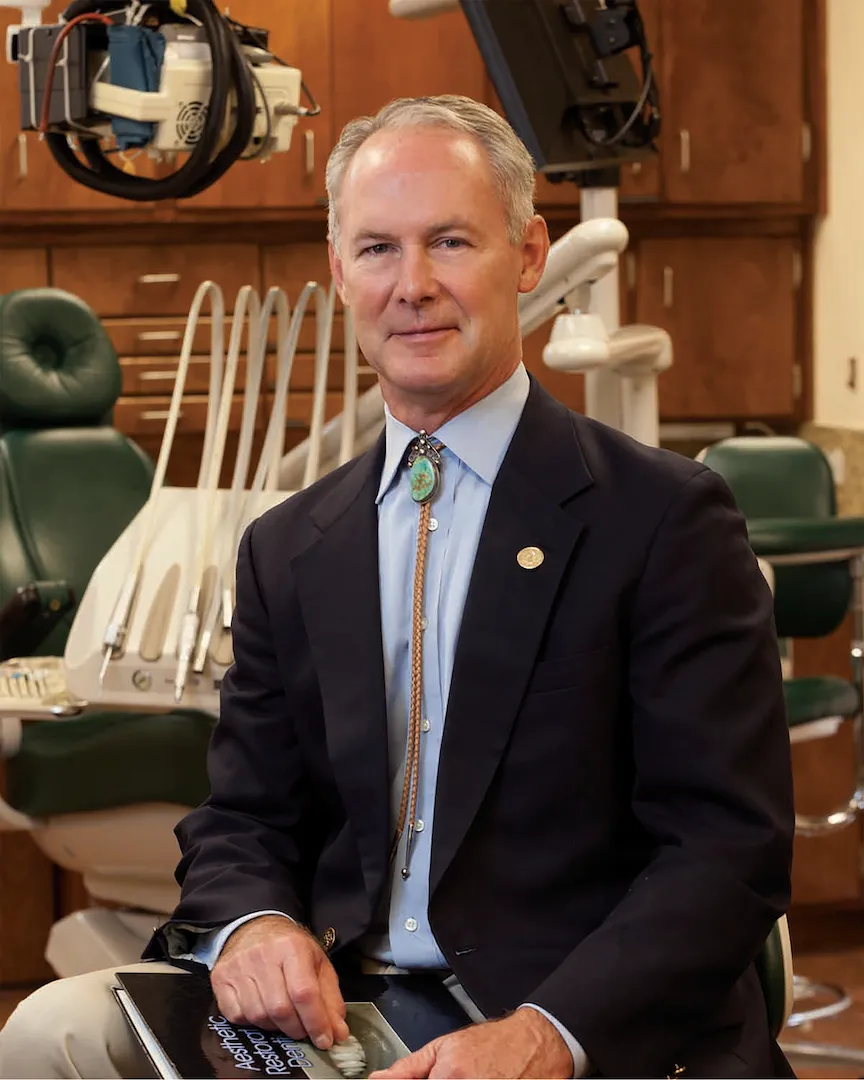
Since 1981, Dr. Steven T. Cutbirth has helped patients from Waco, TX, and across the country achieve healthier, more confident smiles through a comprehensive approach to dental care. Backed by advanced training in oral surgery, IV sedation, cosmetic dentistry, and restorative dentistry, he combines exceptional clinical expertise with a genuine commitment to patient comfort.
Beyond the practice, he has educated thousands of dentists worldwide as an author, international speaker, founder of the Center for Aesthetic Restorative Dentistry (CARD), and creator of The Dental Minute. Yet no matter how far his expertise has reached, his focus remains the same: providing every patient with the same thoughtful, compassionate care he would want for his own family.
- Texas Monthly “Texas Super Dentist” the past 30 years
- Over 9,000 IV Sedation Cases with Zero Complications
- Master of the Academy of General Dentistry
- International Speaker on Advanced Cosmetic & Restorative Dentistry
- Director of The Center for Aesthetic Restorative Dentistry
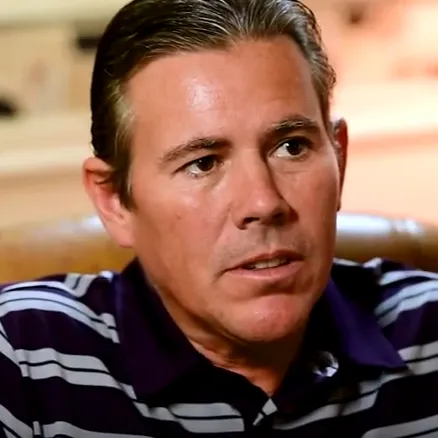
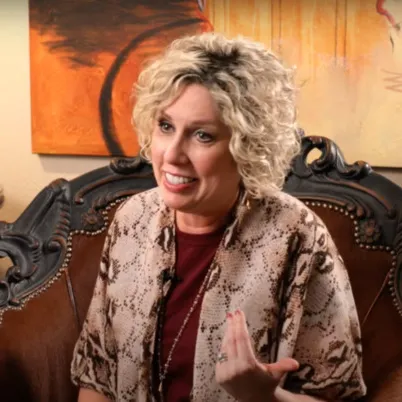
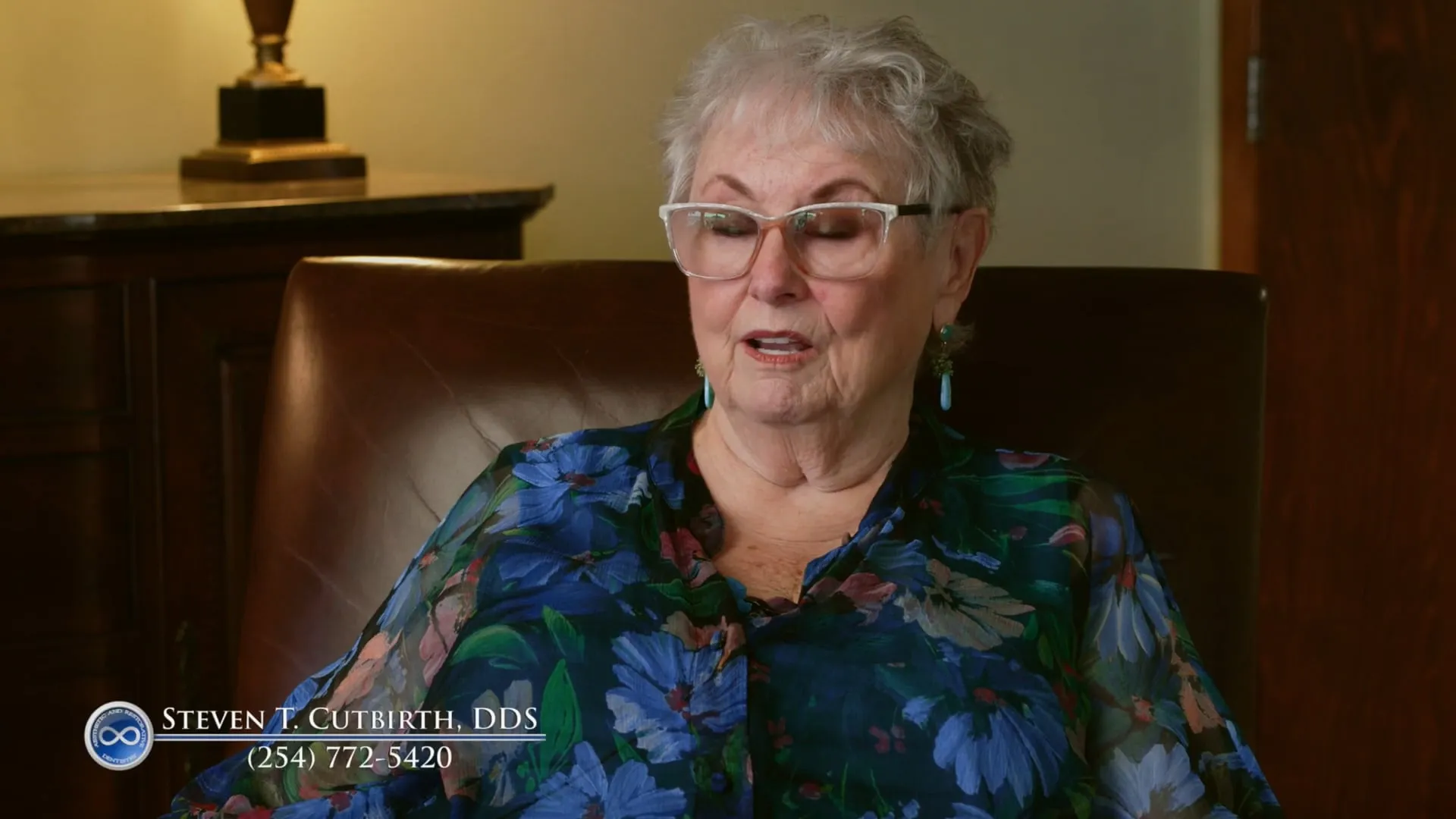
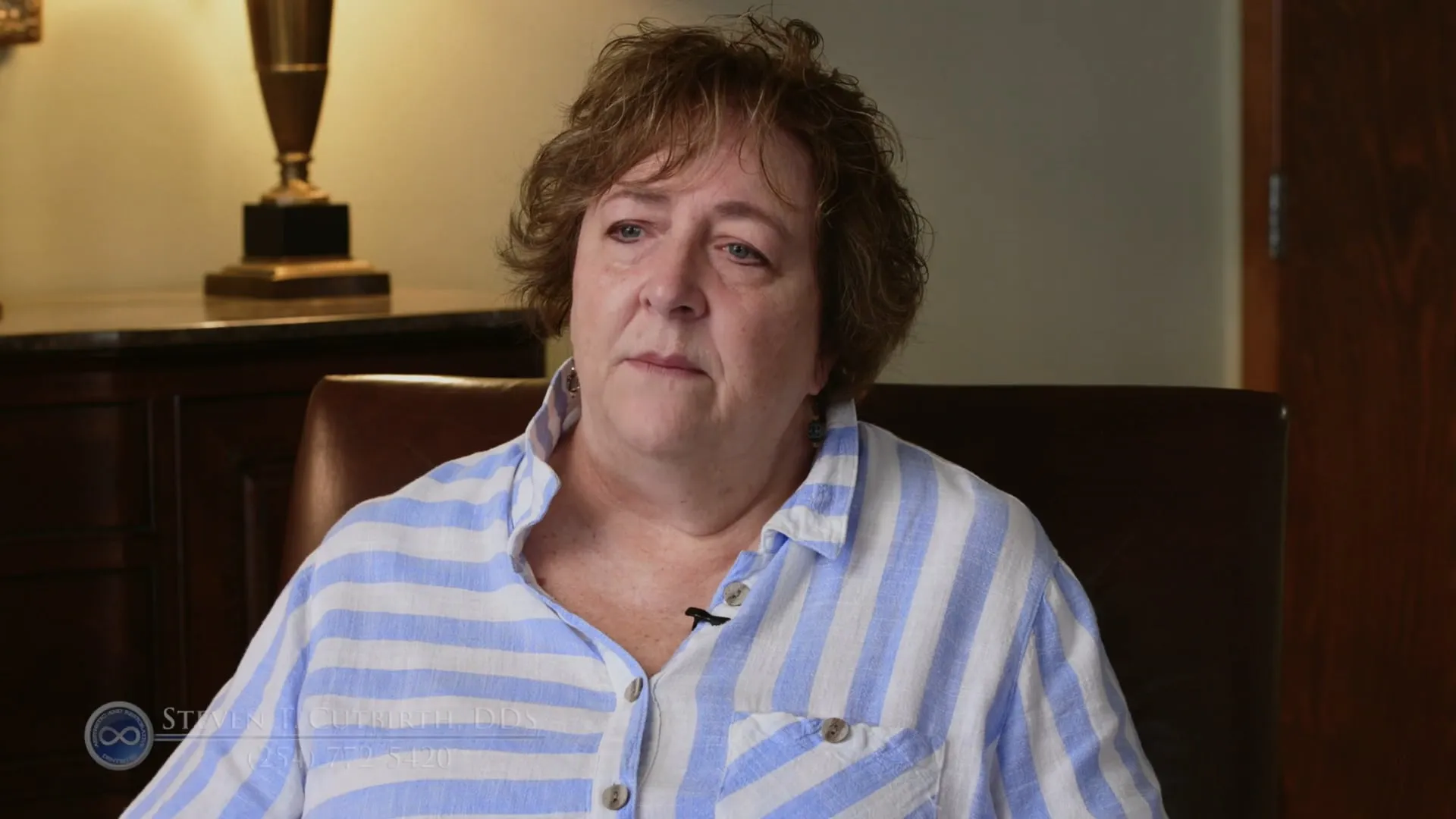
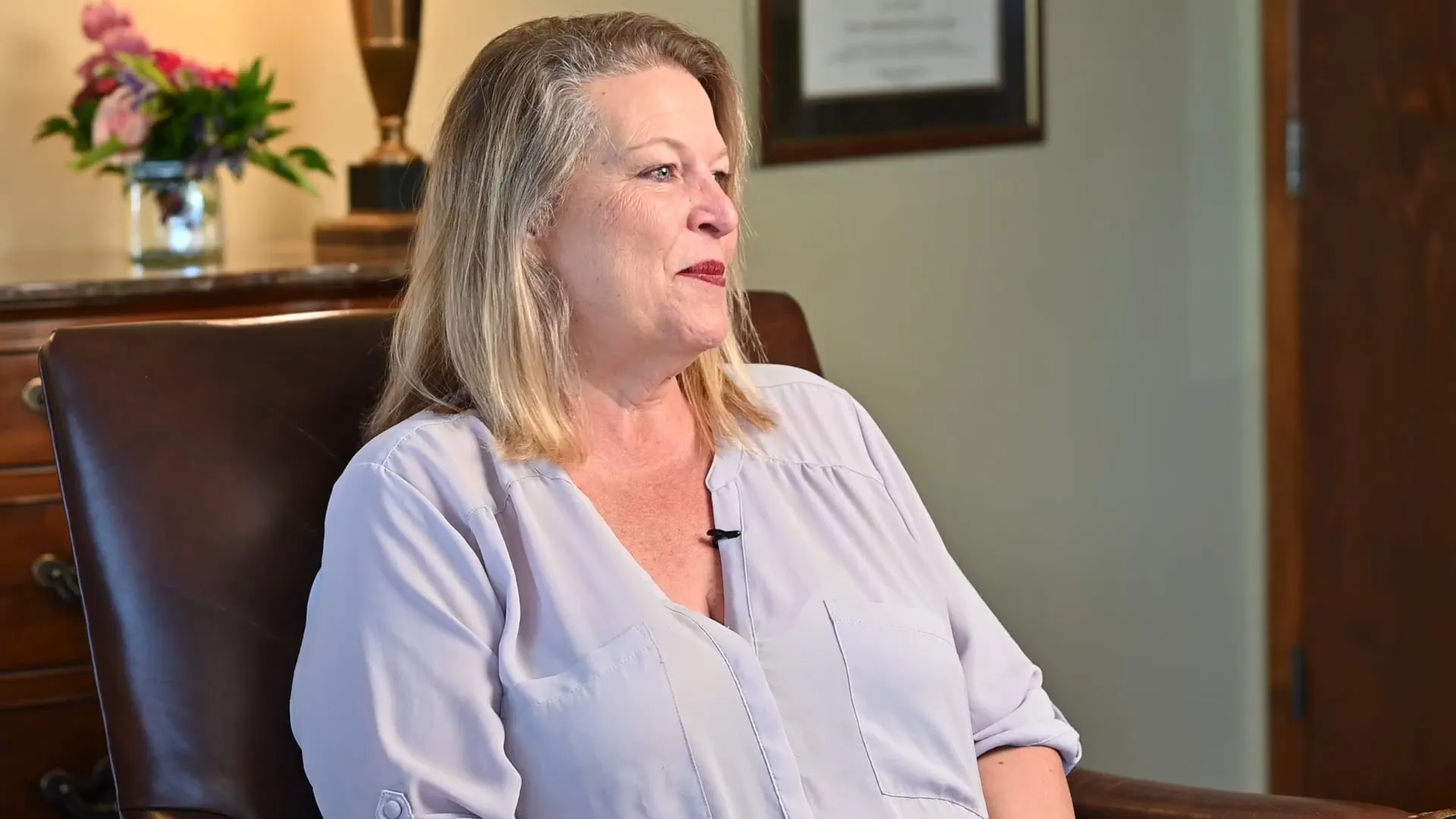
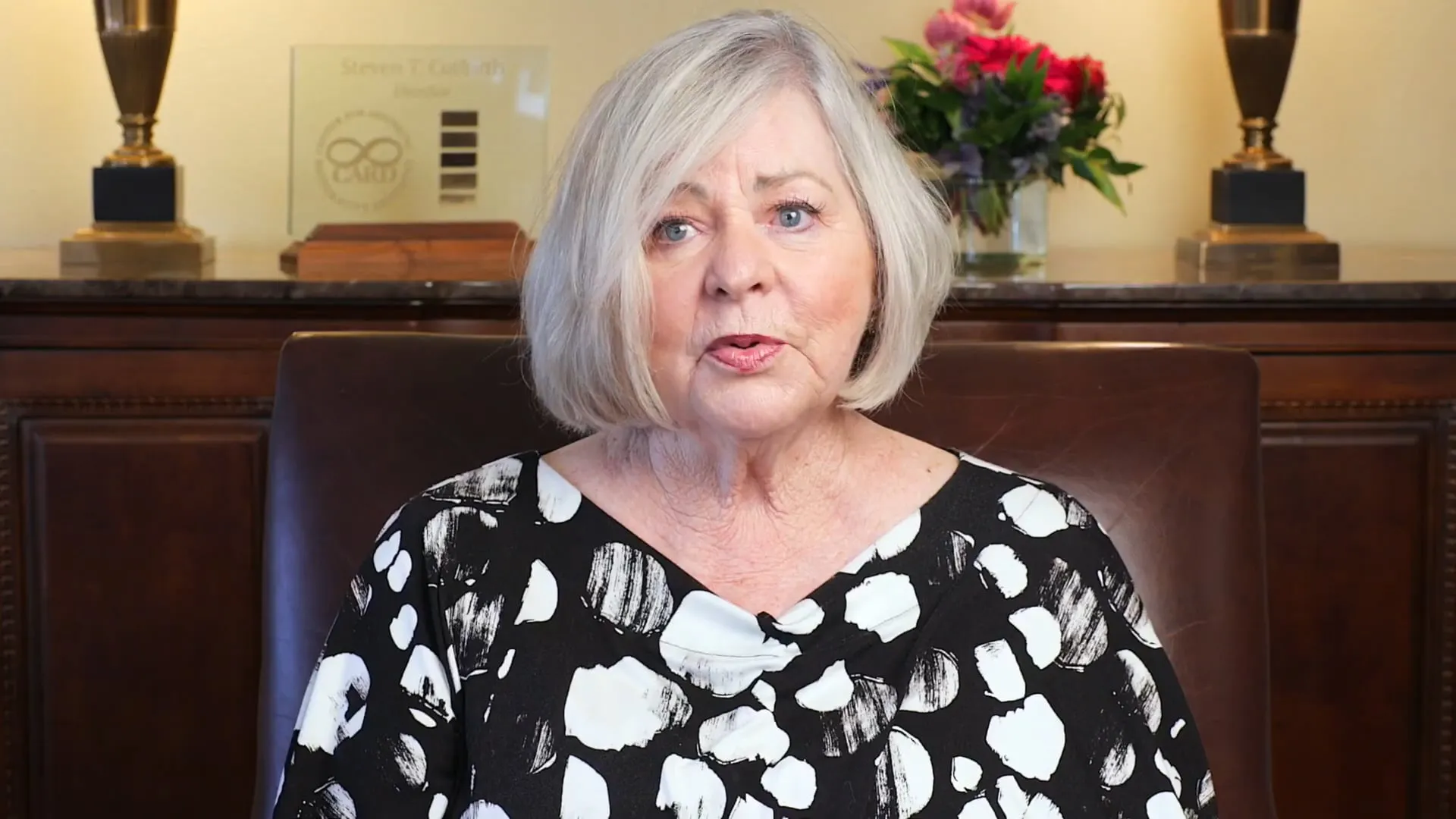
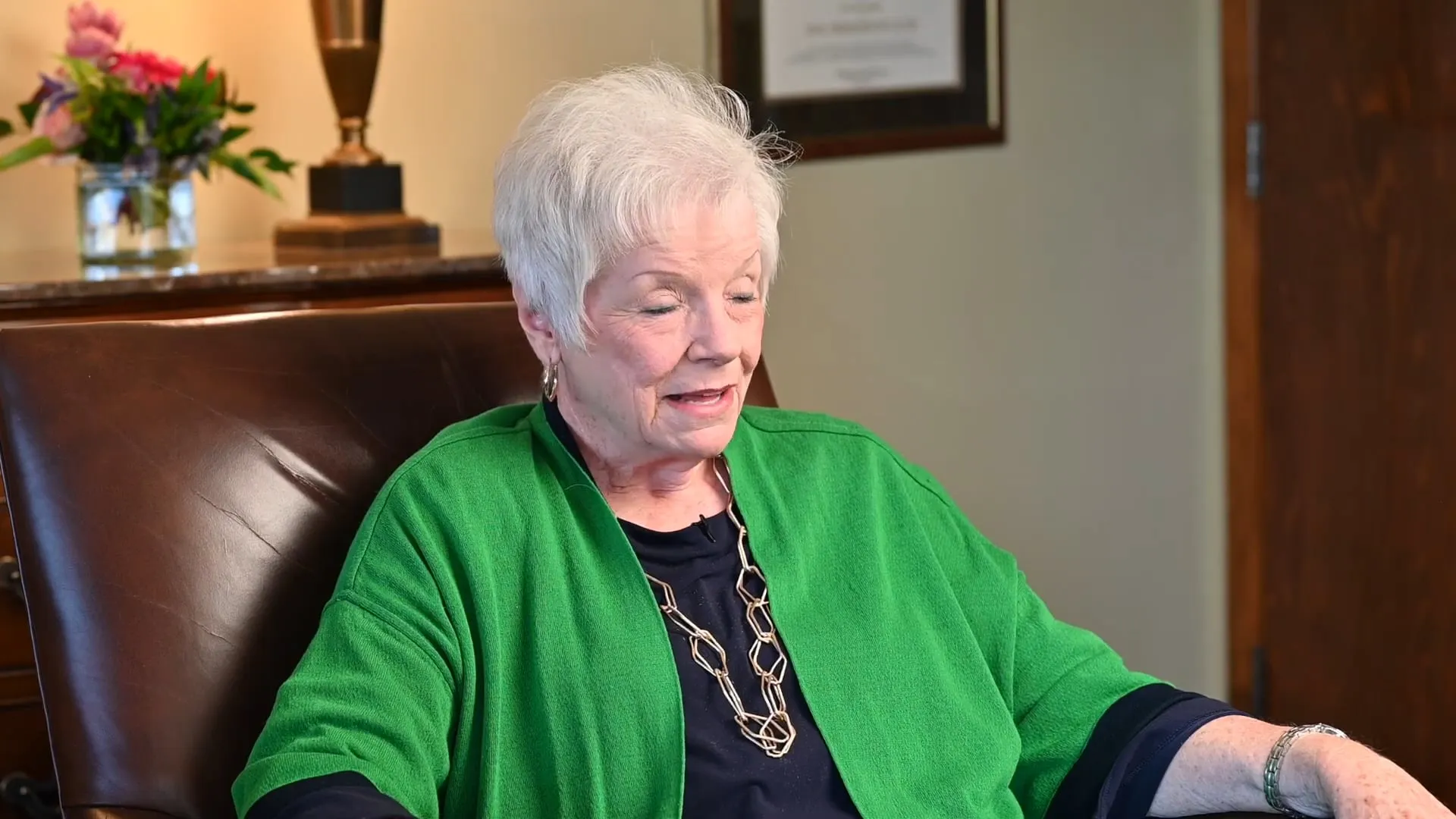
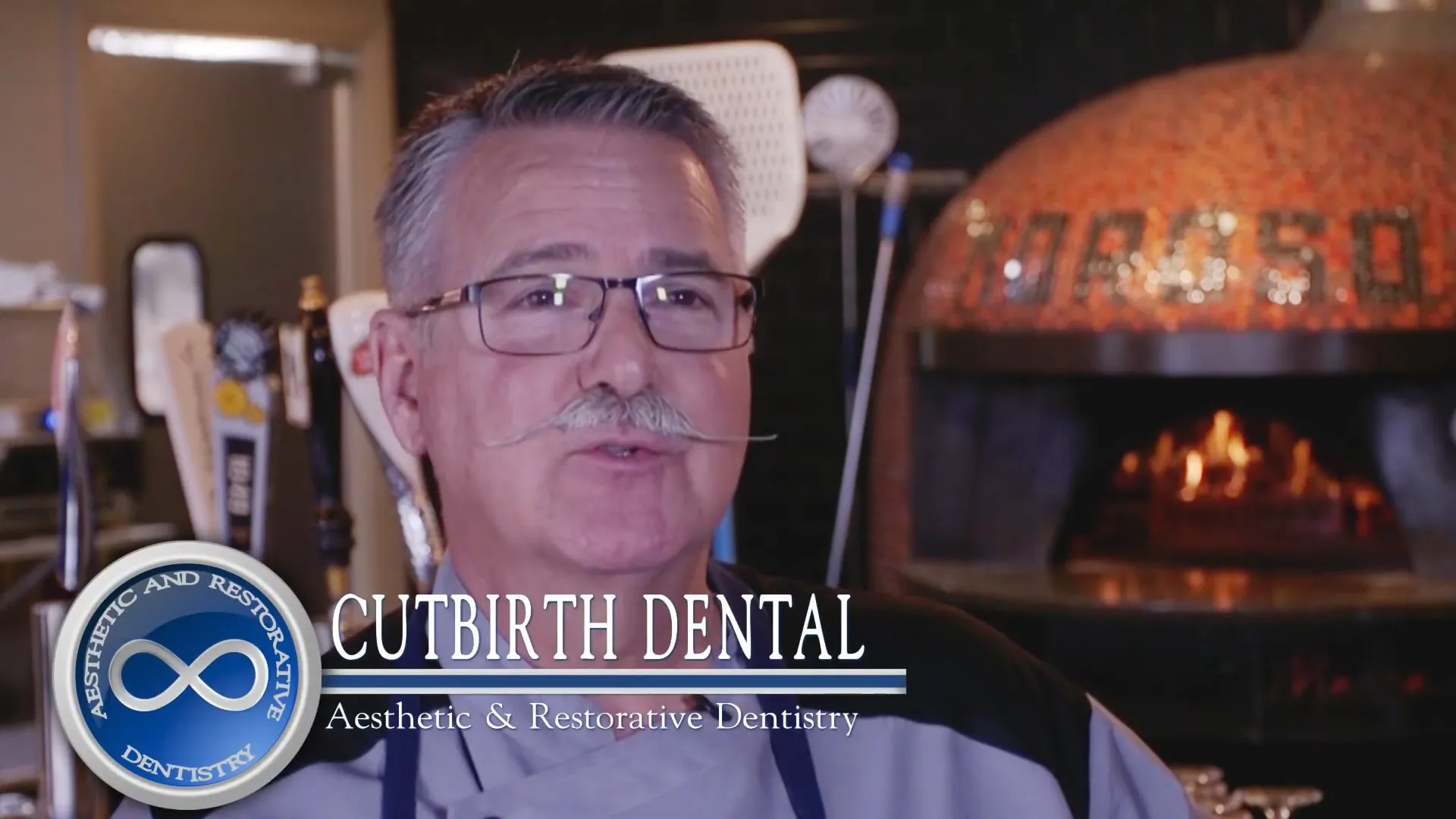
Real Stories From Patients Who Chose Dr. Steven T. Cutbirth
Choosing a dentist is a big decision. Hear firsthand patient testimonials about the care, comfort, and life changing results they’ve experienced with Dr. Steven T. Cutbirth.






Redeem Your Special Offer
Putting off dental care can lead to bigger problems. Our affordable New Patient Offer makes it easy to get the answers you need and start your journey!

Comprehensive Exam w/ X-rays
Full evaluation, no surprise$189
Free Take-Home Whitening
w/ Full Invisalign® Treatment$0
We Accept Most Major PPO Dental Insurance Plans










Don’t see your insurance listed? No worries! Give us a call to verify your coverage.



Frequently Asked Questions
How quickly can I see an emergency dentist?
How quickly you can be seen depends on the urgency of your dental problem and our schedule. For emergency dental care, act as soon as possible so our team can understand what is happening and determine how quickly we may be able to see you.
My tooth got knocked out. What do I do right now?
A knocked-out tooth needs prompt attention. Hold it by the crown, not the root, and keep it moist in milk or tuck it inside your cheek if safe. Seek emergency dental care right away; quick action may improve the chance of saving it. Get emergency medical help for serious injury or heavy bleeding.
My toothache went away on its own. Do I still need to see a dentist?
Yes, have the tooth evaluated even if the pain has stopped. Decay, infection, or damage can remain after symptoms improve. An evaluation is especially important if the pain was severe or persistent, or came with swelling or other symptoms.
How do I manage tooth pain and swelling at home before my appointment?
For temporary relief, rinse gently with warm water and place a cold pack against your cheek. Follow medication labels, and avoid putting aspirin or other substances directly on the tooth or gums. Home care does not replace an evaluation. Difficulty breathing or swallowing, or rapidly worsening facial swelling, needs immediate medical attention.
How much does an emergency dental visit cost?
The cost of an emergency dental visit depends on what we find during the evaluation and what treatment may be needed. Once our team understands your symptoms and examines the tooth, we can give you more specific information about the care involved.
Don’t Wait for Dental Pain to Get Worse
Dental problems can become harder to manage when care is delayed. Our team can listen to what’s happening, learn more about your symptoms, and determine the earliest available appointment so you have a clear next step.