
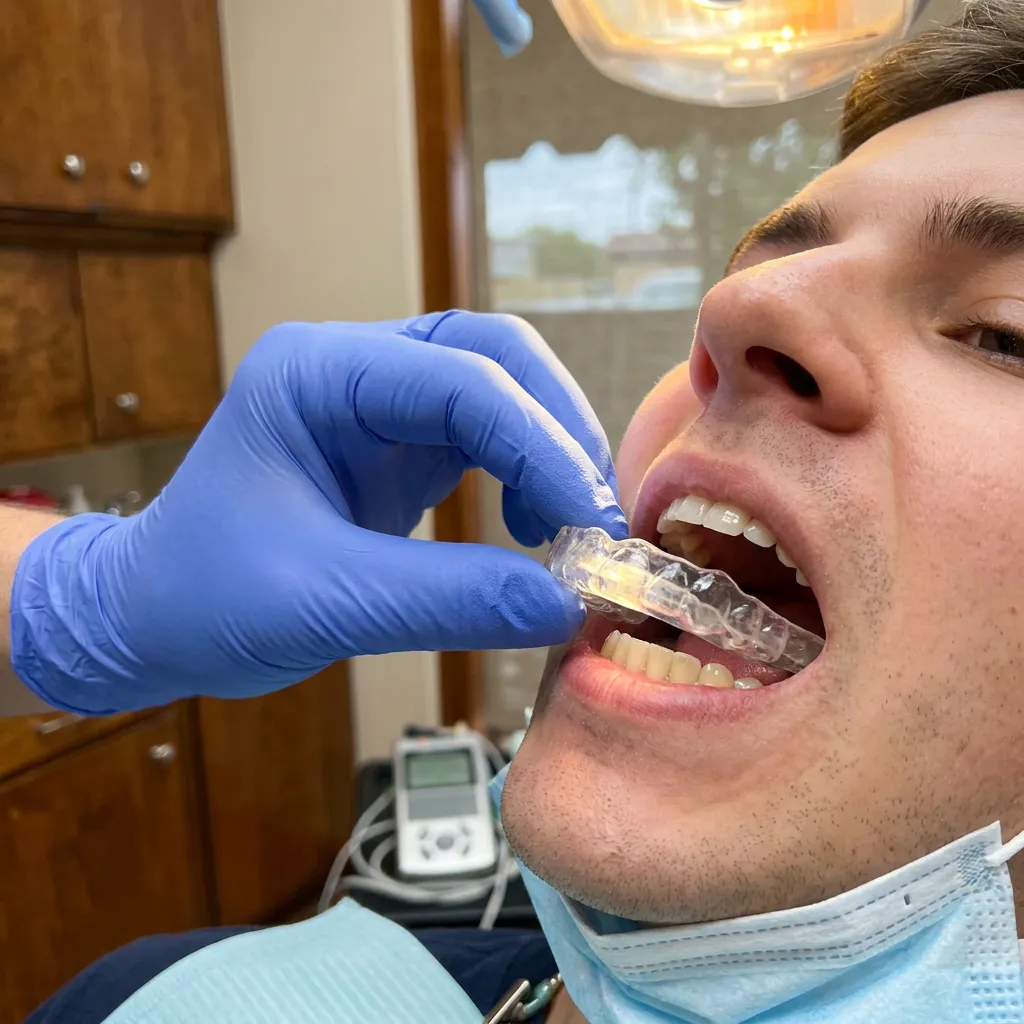
TMJ Treatment in Waco, TX
Relieve jaw pain, clicking, and tension with targeted TMJ treatment that restores comfortable daily function.
What is TMJ Treatment?
TMJ treatment targets the temporomandibular joint, the small hinge on each side of your jaw that lets you talk, chew, and yawn. When that joint gets irritated or misaligned, it can trigger headaches, ear pain, clicking sounds, and a jaw that locks up at the worst possible moment. We start by pinpointing what is driving the problem, whether it is clenching, a bite that does not line up, or wear on the joint itself.
Once the cause is clear, treatment usually begins with a custom oral appliance you wear at night. It repositions the jaw slightly so the muscles and joint can rest instead of grinding under constant tension. Some patients also benefit from bite adjustments or targeted exercises. Our team often finds that TMJ issues overlap with Sleep Apnea Treatment, since both involve how the jaw sits during sleep.
Benefits of TMJ Treatment
TMJ treatment at Steven T. Cutbirth DDS gets to the root of jaw trouble so daily life feels normal again, not like a constant fight with your own face.
Eat What You Want Again
That locked-up, grinding jaw can make even a sandwich feel like a dare. Once treatment calms the joint down, you go back to enjoying brisket, apples, and corn on the cob like you used to.
Sleep That Actually Rests
Nighttime clenching wears you out before the day even starts. Addressing the tension and bite patterns behind TMJ trouble means you wake up without that bone-deep ache across your temples and jaw.
A Jaw That Stays Quiet
Popping every time you yawn, catching when you open wide. Those constant reminders get old fast. TMJ treatment works to settle the joint so your jaw just does its job without all the fuss.
Could TMJ Treatment Help You?
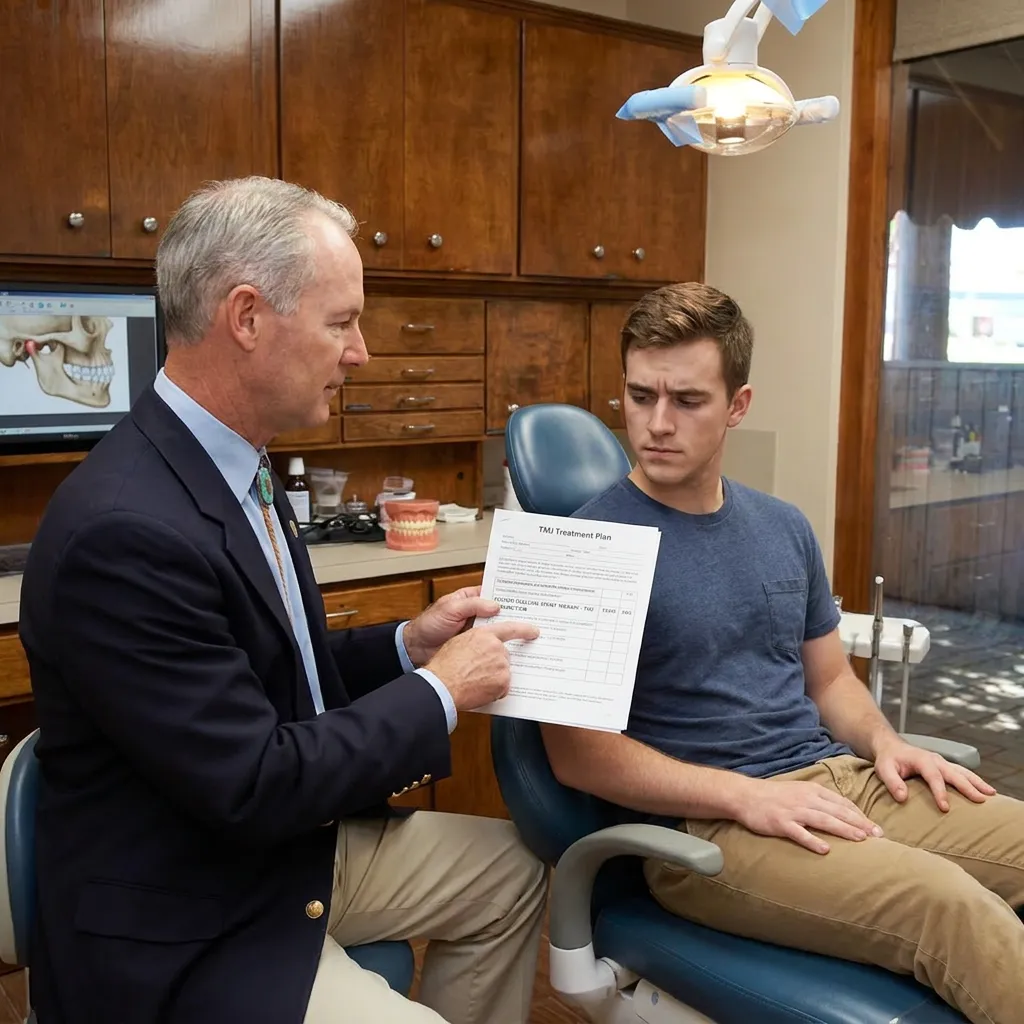
If your jaw clicks every time you chew, or you wake up with a dull ache radiating from your ear to your temple, those are signs your temporomandibular joint is under stress. TMJ treatment helps people dealing with chronic jaw pain, frequent headaches, and limited mouth opening that makes eating tough. Teeth grinding at night is another common trigger, and it often shows up as worn-down tooth surfaces we spot during Dental Exams & X-rays.
The condition affects adults of all ages, though it tends to hit hardest between 20 and 50. Stress, past injuries to the face, and bite alignment problems can all play a role. Some patients in Waco, TX have lived with the discomfort so long they assume it's normal. It isn't. TMJ treatment at Steven T. Cutbirth DDS can pinpoint what's driving the problem and bring real, lasting relief.
Advanced TMJ Treatment Technology
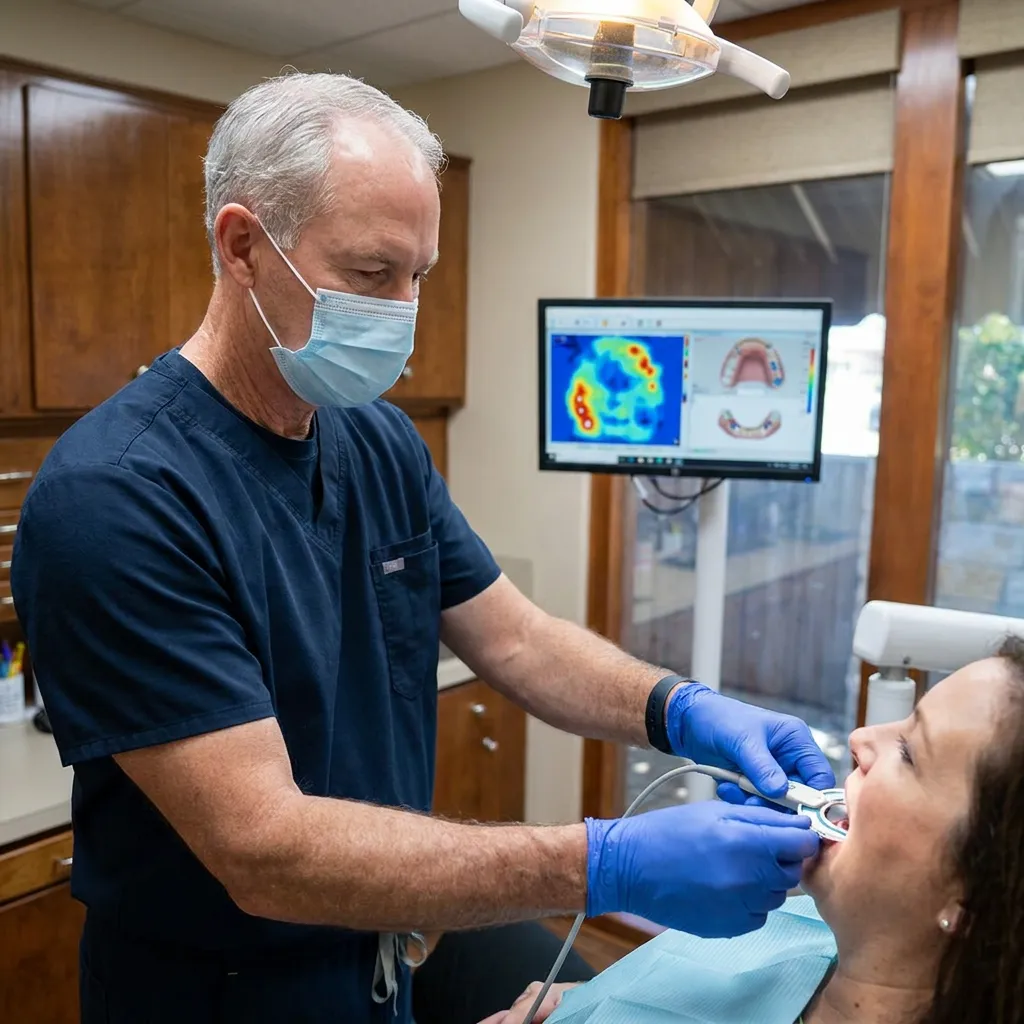
Cone beam 3D imaging gives us a full picture of the joint, surrounding bone, and airway in a single scan that takes about 15 seconds. Older flat x-rays could show bone but missed the soft tissue detail that matters most for TMJ diagnosis. With a 3D model on screen, it is easier to spot disc displacement, joint erosion, or asymmetry that a standard exam might not catch.
Digital bite analysis adds another layer of precision. A thin sensor between your teeth records exactly where pressure hits when you close down, measured in fractions of a second. That data shows whether one side of your bite is absorbing more force than it should. At Steven T. Cutbirth DDS in Waco, TX, this technology guides every adjustment so your custom appliance fits right from day one.
What to Expect During Your Visit
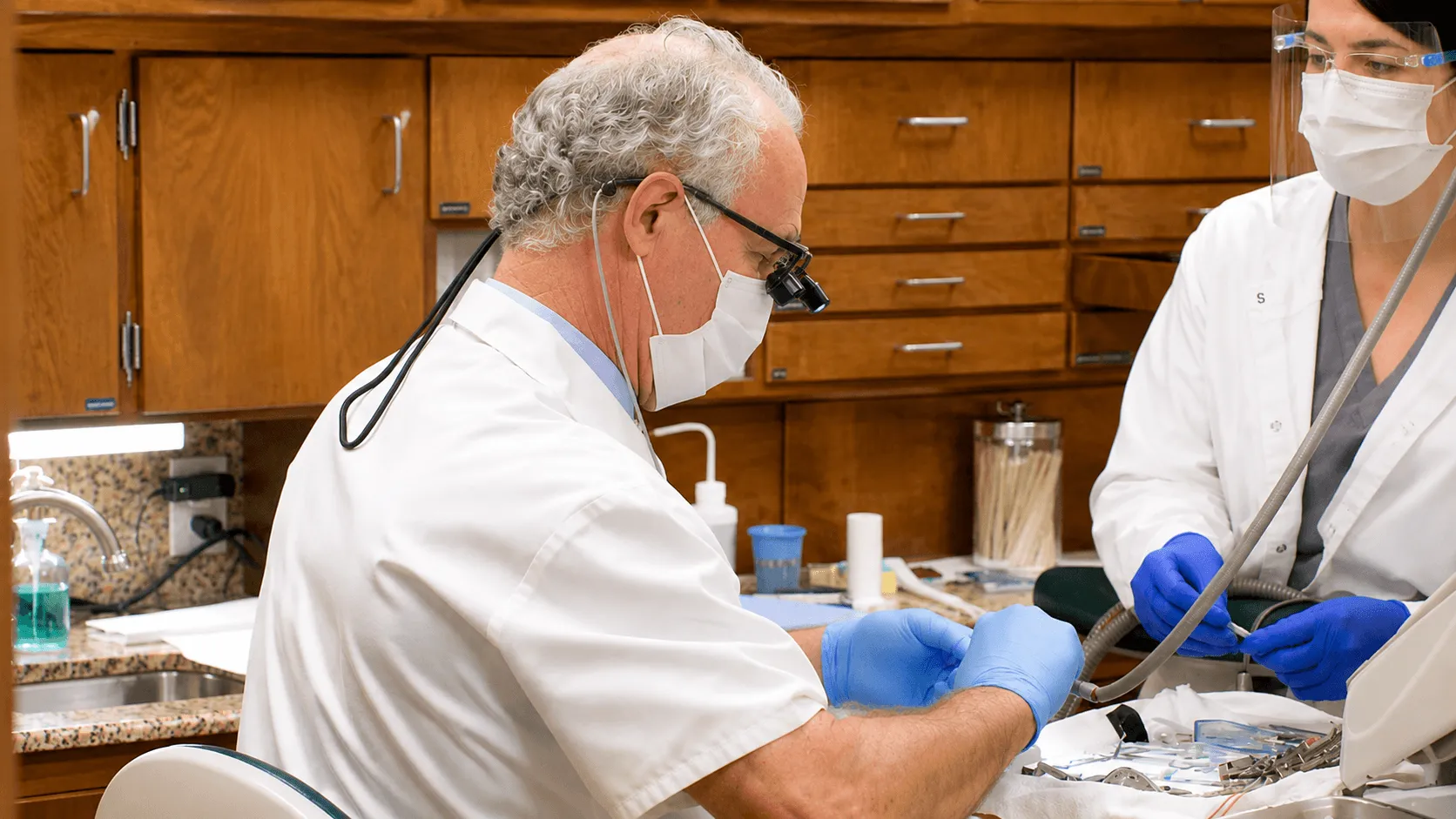
Your first TMJ treatment visit at Steven T. Cutbirth DDS starts with a thorough exam of your jaw joints, bite alignment, and muscle tension. We may take x-rays or digital scans to see exactly what is going on beneath the surface. The whole evaluation is gentle and usually wraps up in about 30 to 45 minutes.
Based on what the exam reveals, we will walk you through a treatment plan that fits your specific situation. Some patients notice relief within the first few weeks of wearing a custom oral appliance. Follow-up visits are typically short check-ins to fine-tune the fit and track how your symptoms are responding.
Before Your Appointment
- 01
Write down when your jaw pain is worst, such as morning, after meals, or during stress, so your dentist can spot patterns.
- 02
Skip chewing gum for at least 24 hours before your visit to let your jaw muscles rest and give a more accurate exam.
- 03
Bring a list of any medications you take, including muscle relaxants or pain relievers you have tried for jaw discomfort.
After Your Appointment
- 01
Apply a warm, damp washcloth to the side of your jaw for 15 to 20 minutes several times a day to ease muscle tension.
- 02
Stick to softer foods like scrambled eggs, soup, and mashed potatoes for the first week to keep jaw strain to a minimum.
- 03
Skip chewing gum and biting into hard items like apples or jerky until we confirm your jaw muscles have settled down.
Real Stories From Patients Who Chose Dr. Steven T. Cutbirth
Choosing a dentist is a big decision. Hear firsthand patient testimonials about the care, comfort, and life changing results they’ve experienced with Dr. Steven T. Cutbirth.













Frequently Asked Questions
How long does TMJ treatment take to relieve jaw pain?
Most patients notice improvement within two to four weeks of starting treatment. Some cases involving bite adjustments or custom splints take a few months to fully stabilize, but early relief is common even during that process.
Can TMJ treatment help with headaches and ear pain?
Yes. Chronic headaches, earaches, and neck tension often trace back to jaw joint dysfunction. Once the joint mechanics and muscle tension are addressed, those secondary symptoms typically fade within a few weeks.
Is TMJ treatment safe during pregnancy?
Most conservative approaches like oral splints and targeted exercises are perfectly safe during pregnancy. We will avoid imaging or medication that are not recommended, and can coordinate with your OB if needed.
Will I need to wear a splint forever after TMJ treatment?
Not usually. Many patients wear a splint full-time at first, then transition to nighttime use only. Some eventually stop altogether once the joint stabilizes. We will adjust the plan based on how your jaw responds.
Can jaw clenching from stress cause TMJ problems to come back?
Stress-related clenching is one of the most common triggers for flare-ups. A nightguard protects against grinding while you sleep, and simple habit-awareness techniques during the day help keep symptoms from returning long term.



Your Personalized Experience Starts Here
Have questions about your visit or treatment options? Reach out to our team and we'll be happy to assist you within 24 hours.