
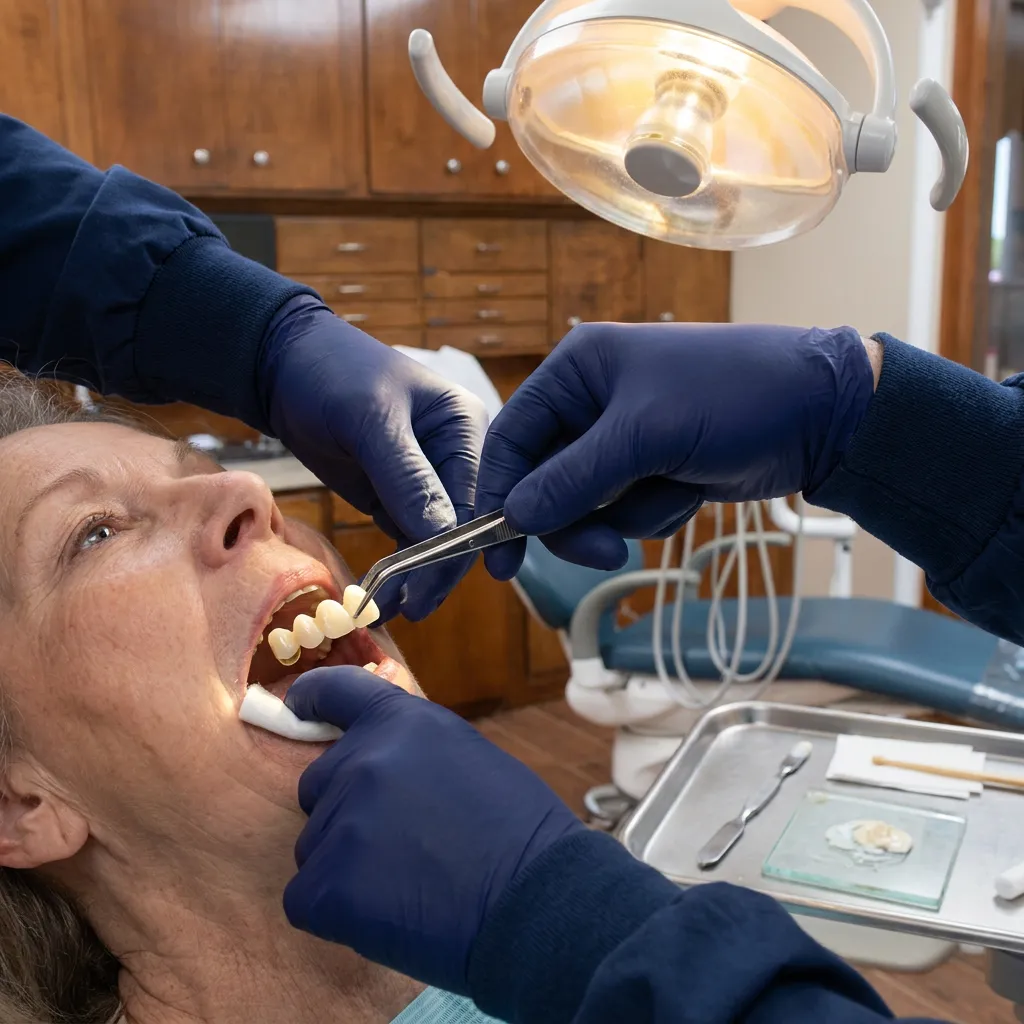
Dental Bridges in Waco, TX
Replace missing teeth with a fixed dental bridge that restores your bite and keeps surrounding teeth stable.
What are Dental Bridges?
Dental bridges do exactly what the name suggests. They bridge the gap left by one or more missing teeth, using your natural teeth on either side as anchors. We reshape those neighboring teeth, fit them with dental crowns, and connect a replacement tooth (called a pontic) between them. The result looks natural, feels stable, and lets you chew and speak the way you used to.
At Steven T. Cutbirth DDS in Waco, TX, dental bridges are custom-made to match the color, shape, and size of your existing teeth. If you've lost a tooth and your surrounding teeth are healthy enough to serve as supports, a dental bridge can fill that space in as few as two visits. For patients missing several teeth or lacking strong anchors, Dental Implants may be a better long-term option, and we can walk you through both choices.
Benefits of Dental Bridges
A dental bridge brings back more than your smile. It restores the kind of solid, comfortable bite you can count on day after day.
Eat What You Want Again
Corn on the cob, a good steak, a crisp apple. Dental bridges give you back the chewing power to enjoy real food without thinking twice or favoring one side of your mouth.
Your Smile Stays in Line
A gap lets surrounding teeth wander out of place over time, and that drift can create bigger problems down the road. A dental bridge keeps everything right where it ought to be.
Blends Right In, No Fuss
Each pontic tooth is shade-matched to your natural teeth so it sits in like it was always there. Most folks in Waco, TX never notice a thing, and that is exactly the point.
Who Benefits from Dental Bridges?
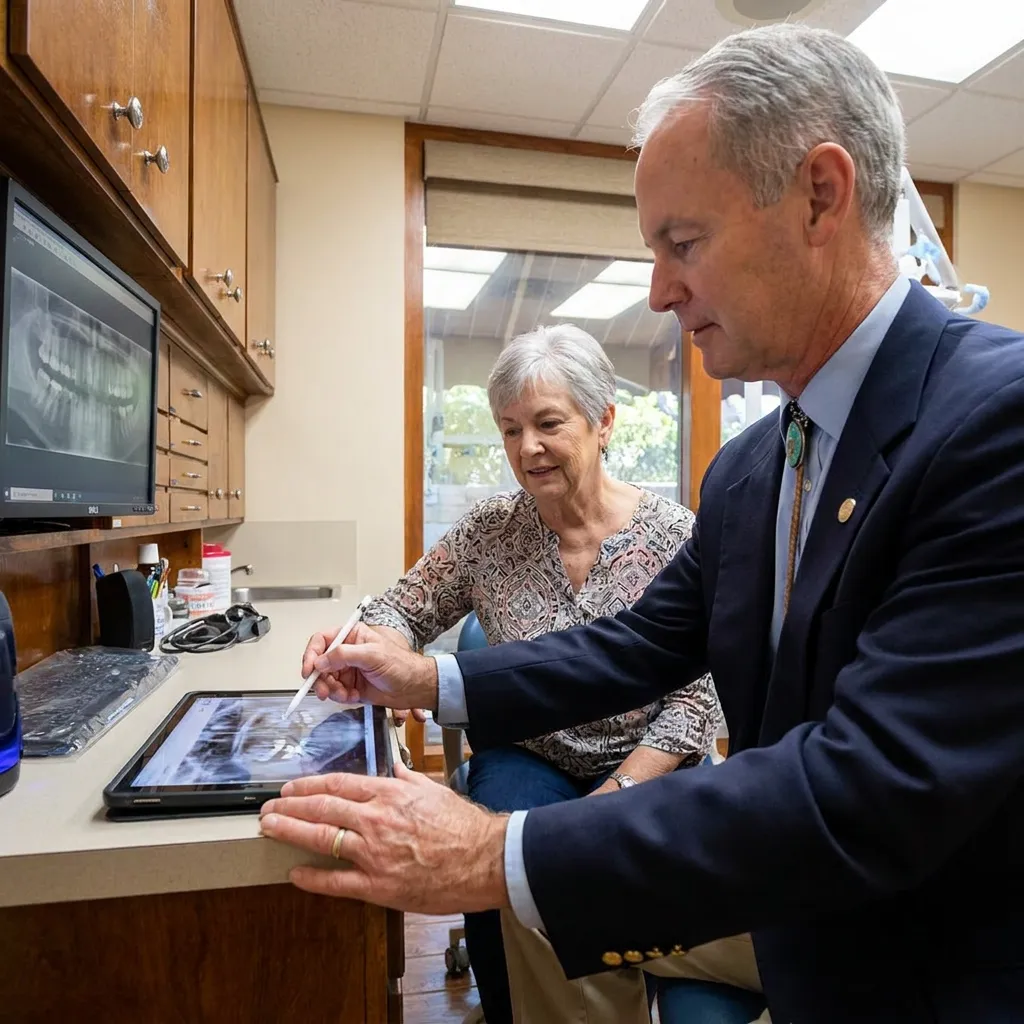
A missing tooth changes more than your appearance. You might notice yourself chewing only on one side, or covering your mouth when you laugh. Maybe you lost a tooth to decay, or you needed Tooth Extractions after an injury. Either way, that gap puts extra stress on the teeth around it, and they can start shifting out of position within months.
Dental bridges work well for adults of any age who have healthy teeth on both sides of the gap. Those neighboring teeth receive Dental Crowns that anchor the replacement tooth firmly in place. If you have lost multiple teeth in a row, a longer bridge may still be an option. Your dentist at Steven T. Cutbirth DDS will evaluate your gums and bone support during an exam to confirm a bridge is the right fit for your situation.
Advanced Dental Bridges Technology
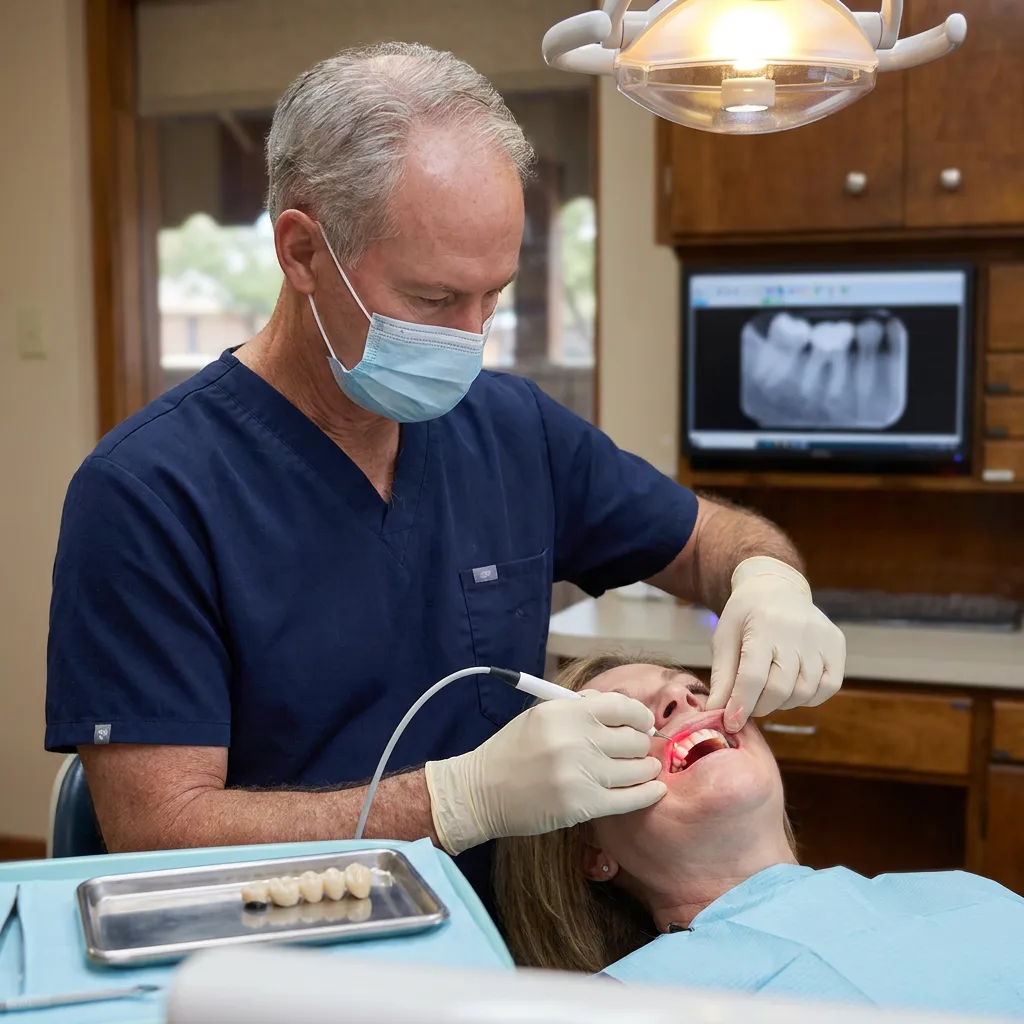
Gone are the days of biting into a tray of putty and holding still for three minutes. Digital impression scanners capture a detailed 3D map of your teeth in under two minutes, and the model is accurate to roughly 30 microns. That precision means your dental bridge fits snugly from the start, with less adjusting in the chair and fewer return visits for tweaks.
Today's pontics are milled from high-strength ceramics like zirconia and lithium disilicate. These materials resist staining and handle bite forces that older porcelain couldn't. Our team uses shade-matching technology to blend the dental bridge with your surrounding teeth so it doesn't stand out. And because the underlying dental crowns are designed digitally, the margin where dental crown meets tooth is tighter, which helps protect those anchor teeth for years to come.
What to Expect During Your Visit
Your dentist starts by numbing the area around the gap and the teeth on either side. You'll feel a brief pinch, then nothing. Those neighboring teeth are gently reshaped so the dental bridge anchors fit snugly, and detailed impressions capture the exact spacing. A temporary dental bridge goes on before you leave, so you're never without teeth. Most visits run about an hour.
The permanent dental bridge is placed at a second appointment, usually two to three weeks later. Your dentist checks the fit, makes small adjustments, and bonds it into place. Mild sensitivity around the anchor teeth is normal for a few days and fades quickly. Within a week, chewing and speaking feel natural again.
Before Your Appointment
- 01
Eat a solid meal before you arrive, since the numbing around your dental bridge prep teeth can last two to three hours afterward.
- 02
Write down which teeth feel sensitive or have sharp edges so we can focus the dental bridge preparation on the right areas.
- 03
Skip gum or sticky snacks the morning of your visit to keep the teeth being prepped free of residue for a clean impression.
After Your Appointment
- 01
Stick to softer foods like pasta and eggs for the first two days while your gums adjust to the new dental bridge framework.
- 02
Thread floss under the pontic daily once initial soreness fades, using a floss threader or interdental brush to clean beneath it.
- 03
Hold off on chewing ice or biting into hard, crusty bread on the dental bridges side for at least two weeks to let the cement fully set.
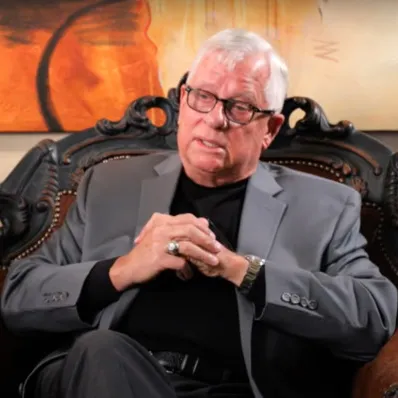
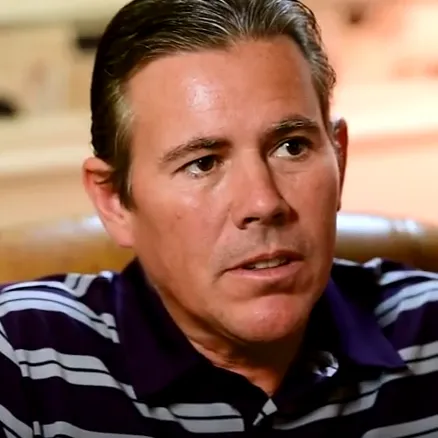
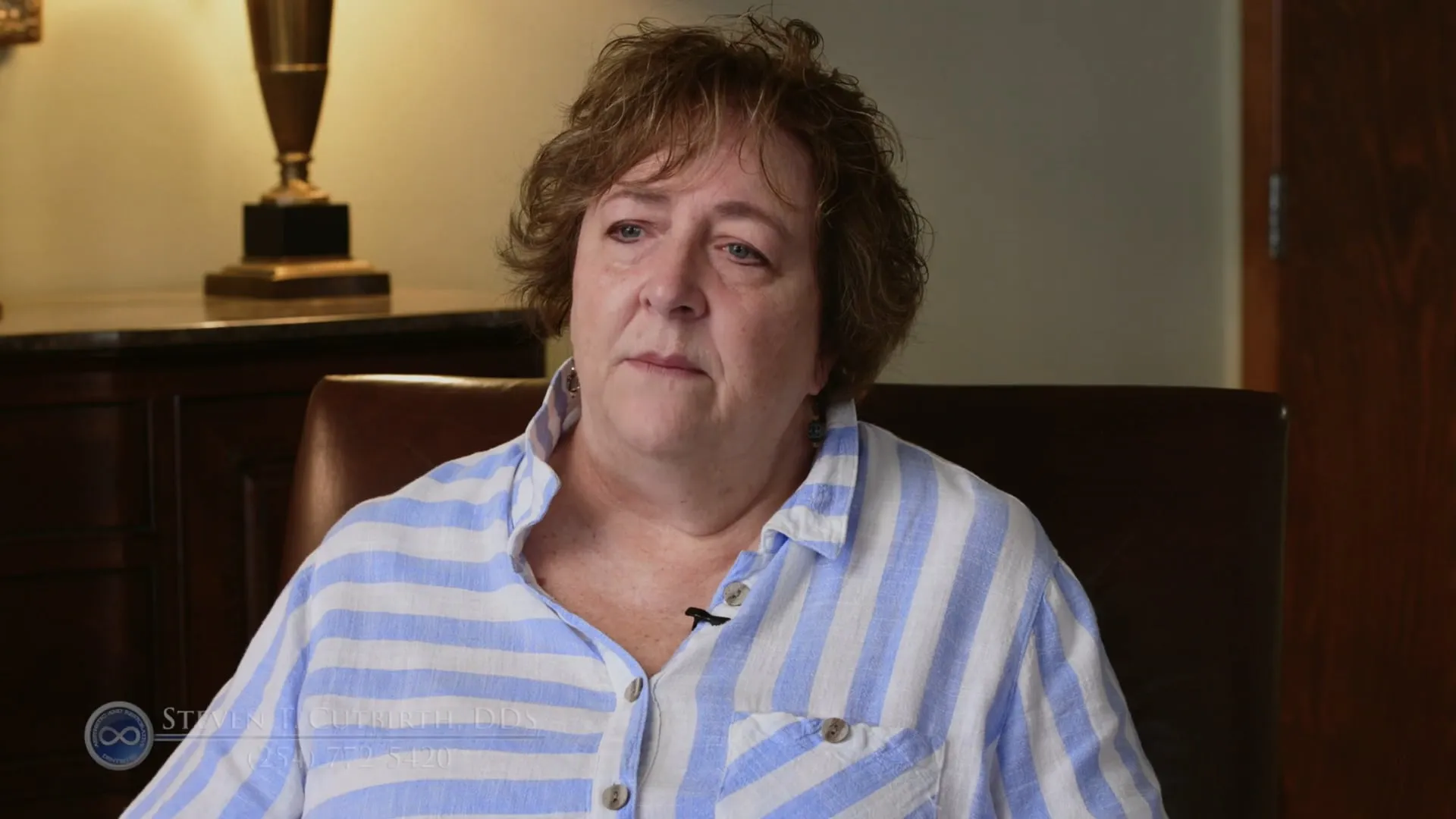
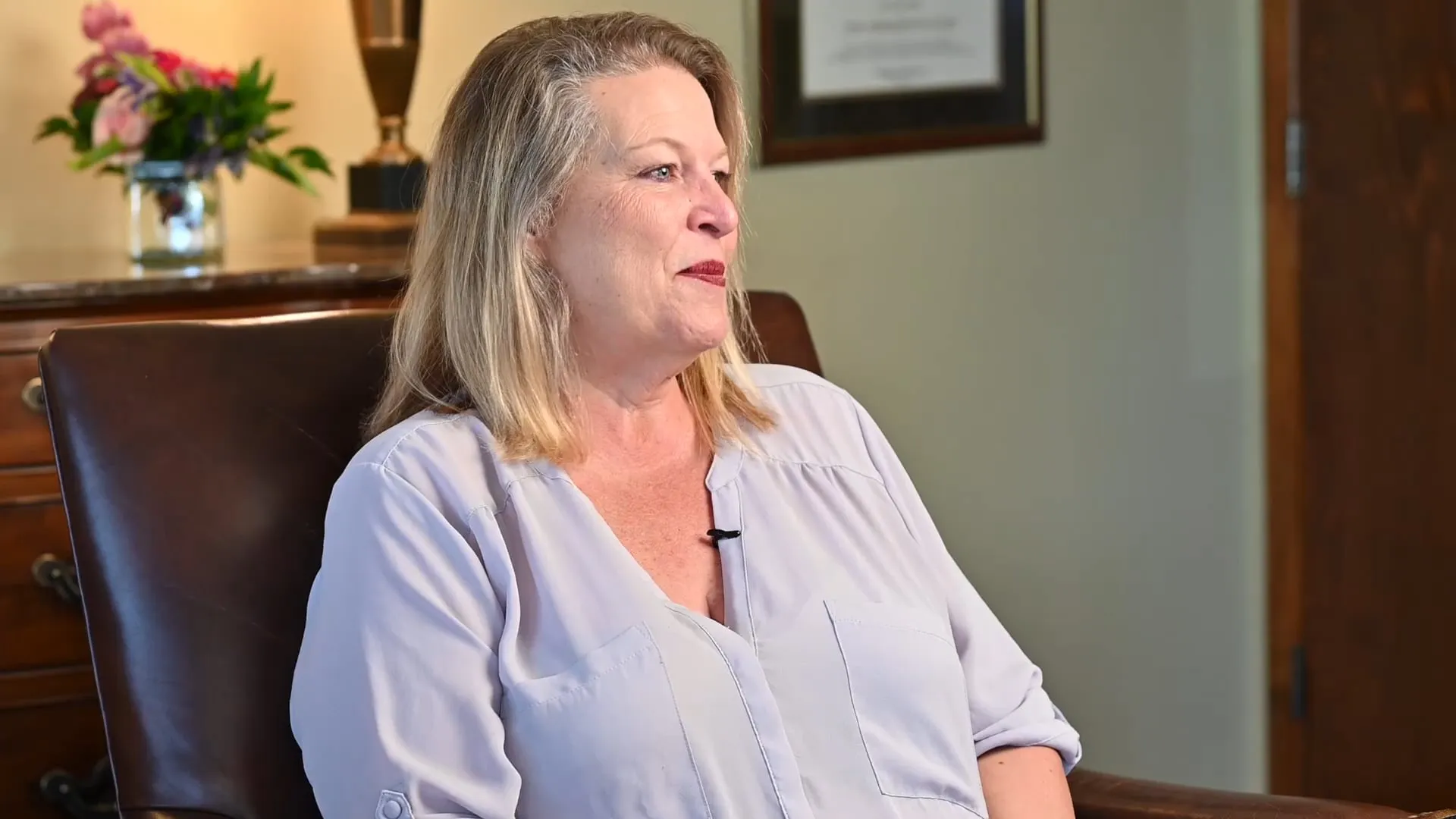
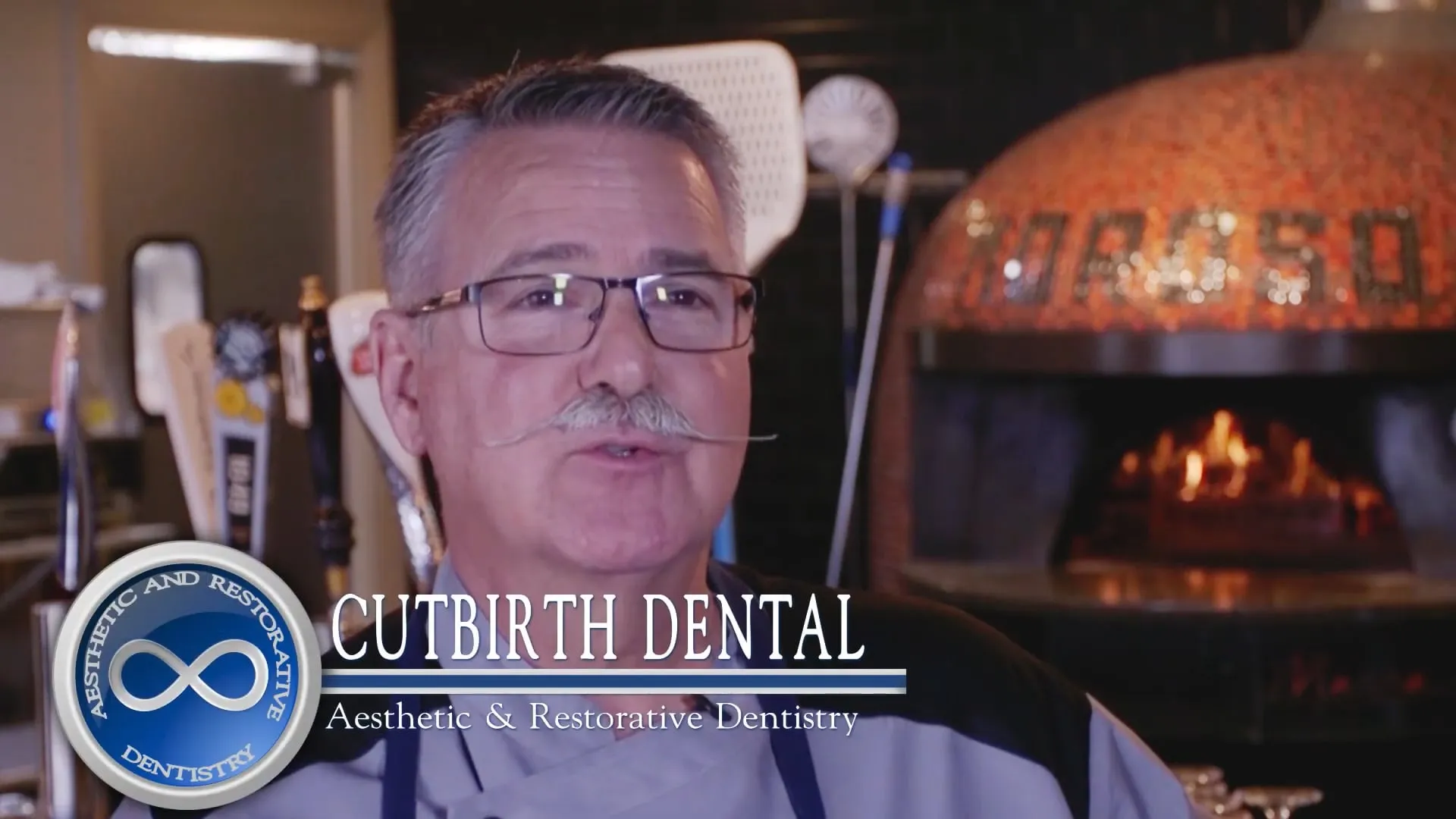
Real Stories From Patients Who Chose Dr. Steven T. Cutbirth
Choosing a dentist is a big decision. Hear firsthand patient testimonials about the care, comfort, and life changing results they’ve experienced with Dr. Steven T. Cutbirth.











Frequently Asked Questions
How long do dental bridges typically last?
Most dental bridges last 10 to 15 years, and some hold up even longer with good oral hygiene. Porcelain and zirconia options tend to outlast older materials. Regular checkups help us catch small issues before they become big ones.
Can I eat steak and tough foods with dental bridges?
Yes. Once your dental bridge is fully set, usually within a couple of weeks, you can chew steak, apples, and most everyday foods without trouble. Biting directly into very hard items like ice or bone is worth avoiding to protect the restoration long term.
Are dental bridges a better option than dentures for replacing a few teeth?
For one to three missing teeth in a row, dental bridges are often the stronger choice because they stay fixed in place and feel more like natural teeth. Dentures work well when more teeth are missing. Our Waco, TX team can help you weigh both options.
Will a dental bridge affect the way I talk?
Most patients adjust to speaking with a dental bridge within a few days. Because the replacement teeth sit right where your natural teeth were, your tongue finds its landmarks quickly. Any minor lisping usually disappears on its own after a short adjustment period.
How often does a dental bridge need to be replaced?
Replacement depends on wear and how well you maintain it. Many patients at Steven T. Cutbirth DDS get 12 to 15 years from a single dental bridge. We check the fit and the health of supporting teeth at each visit so nothing sneaks up on you.

Your Personalized Experience Starts Here
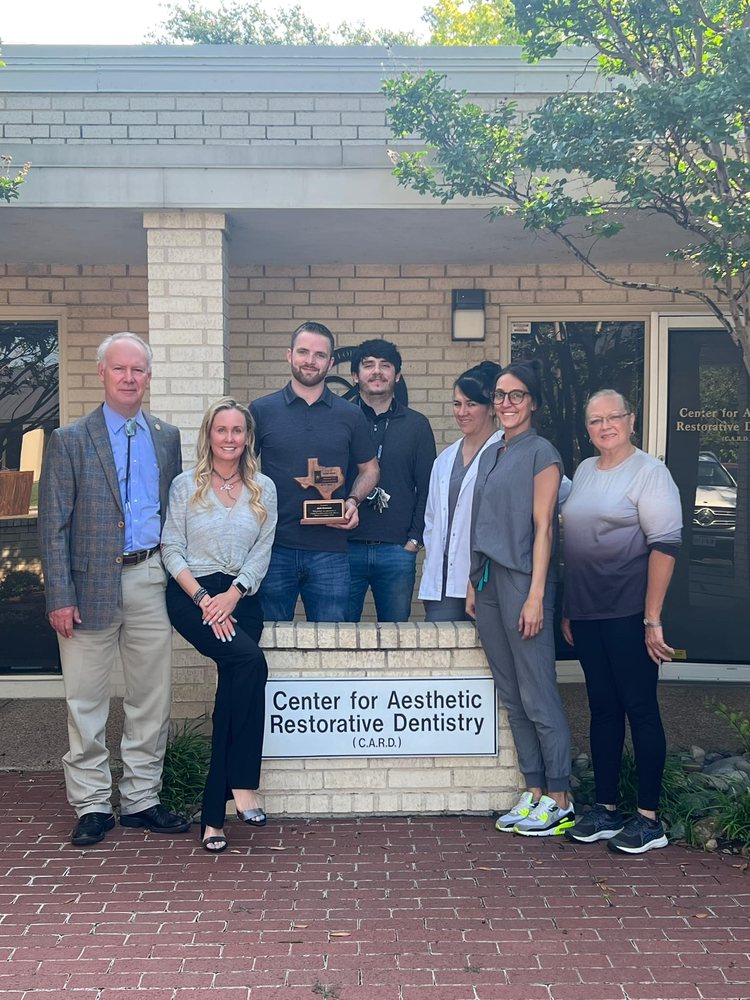
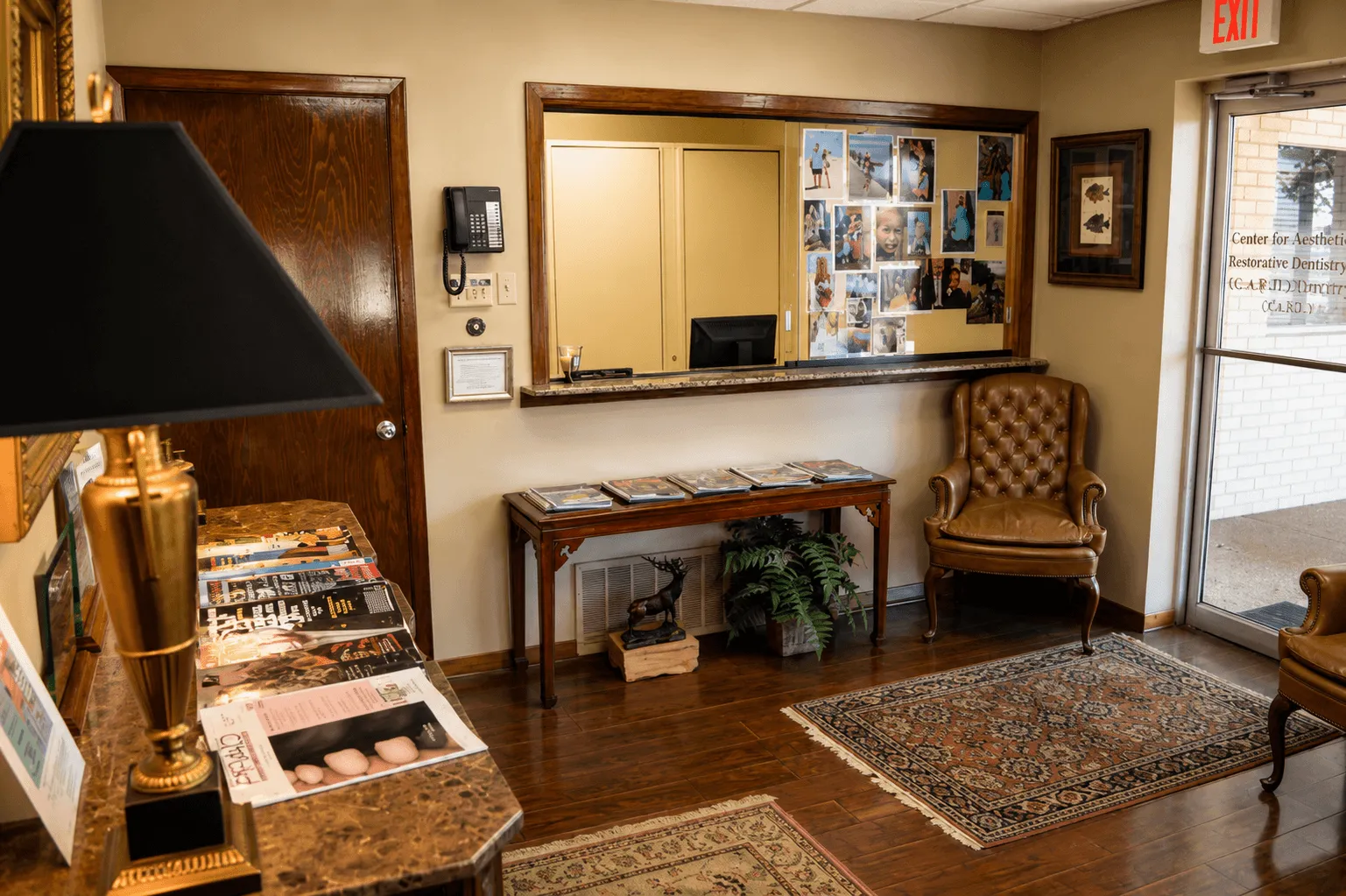
Have questions about your visit or treatment options? Reach out to our team and we'll be happy to assist you within 24 hours.