Back to Blogs

How Dental Implants Restore Your Smile?

Dental implants restore your smile, protect jawbone health, and provide lasting stability for everyday chewing comfort.

November 7, 2026
•
2 min read
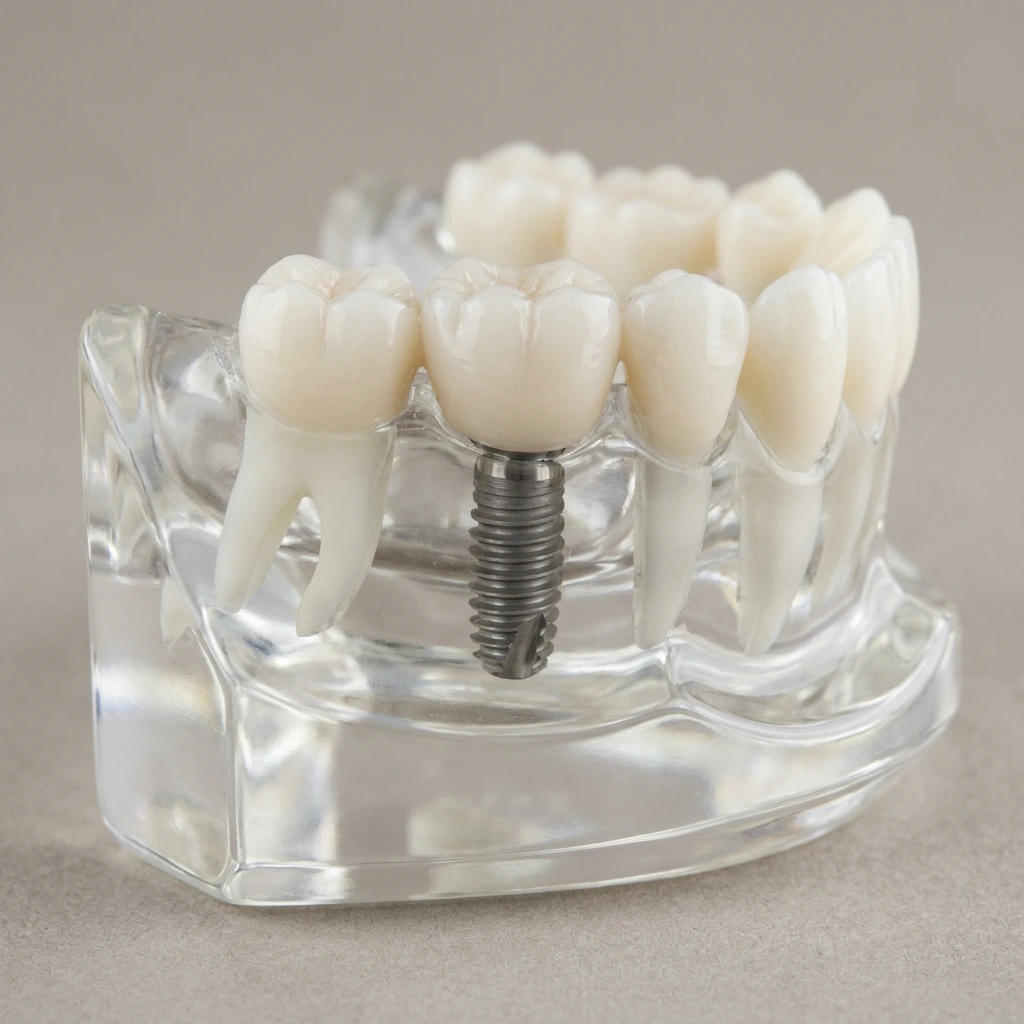
A clear dental jaw model displays teeth with a titanium implant screw supporting a porcelain crown among natural tooth roots.
Back to Blogs
A clear dental jaw model displays teeth with a titanium implant screw supporting a porcelain crown among natural tooth roots.

How Dental Implants Restore Your Smile?

Dental implants restore your smile, protect jawbone health, and provide lasting stability for everyday chewing comfort.

November 7, 2026
•
2 min read

The Foundation of Modern Tooth Replacement

Dental Implants replace missing teeth by anchoring biocompatible titanium posts directly into the jawbone, creating a stable base for custom restorations that look, feel, and function like natural teeth. This modern restoration technique preserves jaw structure, supports healthy speech, and allows individuals to chew everyday foods comfortably without shifting or slipping.

Justin, an active project manager in his early forties, arrived at Steven T. Cutbirth DDS feeling self-conscious about a lower molar he had lost two years prior. Chewing on that side caused persistent soreness, and he noticed adjacent teeth beginning to drift.

His primary goal was finding a stable, long-lasting restoration that would prevent further dental complications. He wanted to enjoy backyard barbecues without worrying about discomfort or hiding his grin during company presentations.

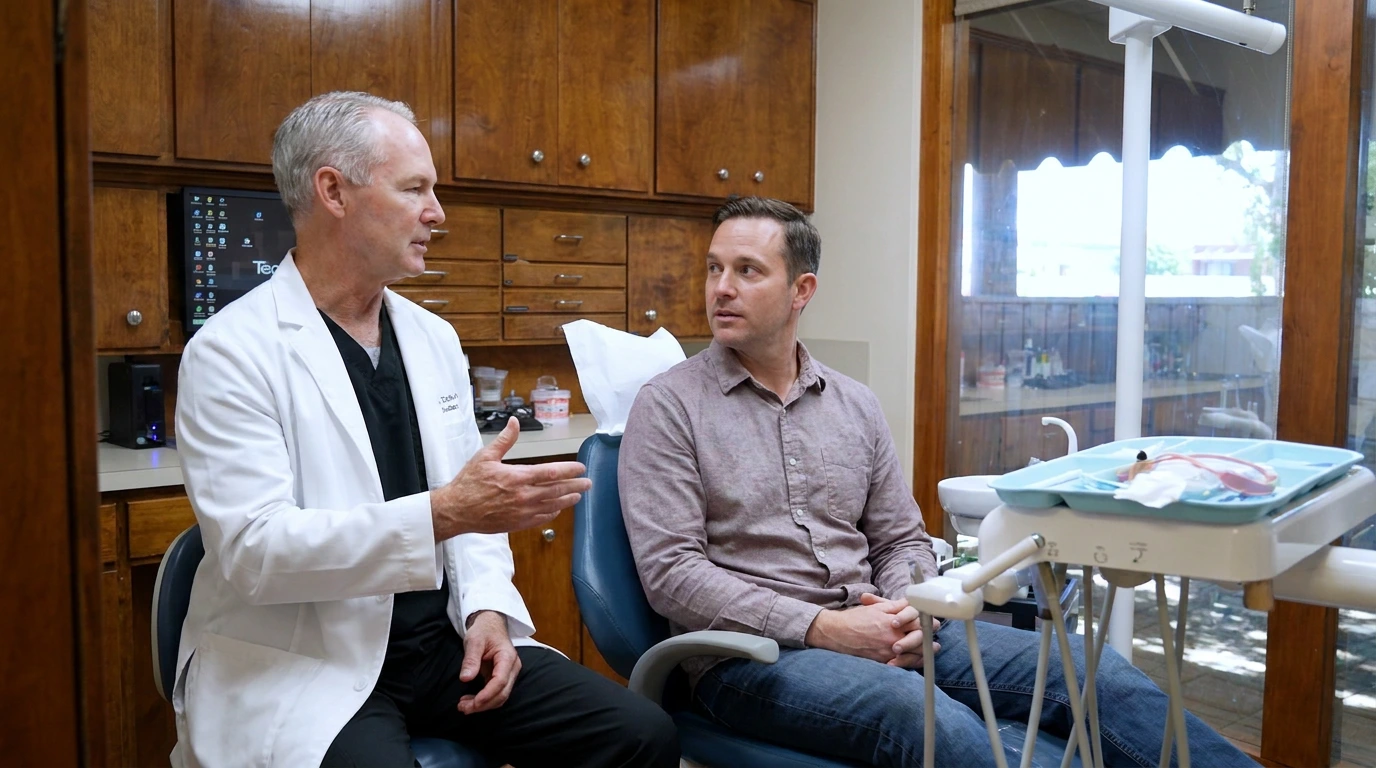
Dr. Steven T. Cutbirth in a white lab coat gestures as he talks with a patient seated in a dental examination chair.

Dental Implants vs Bridges and Dentures

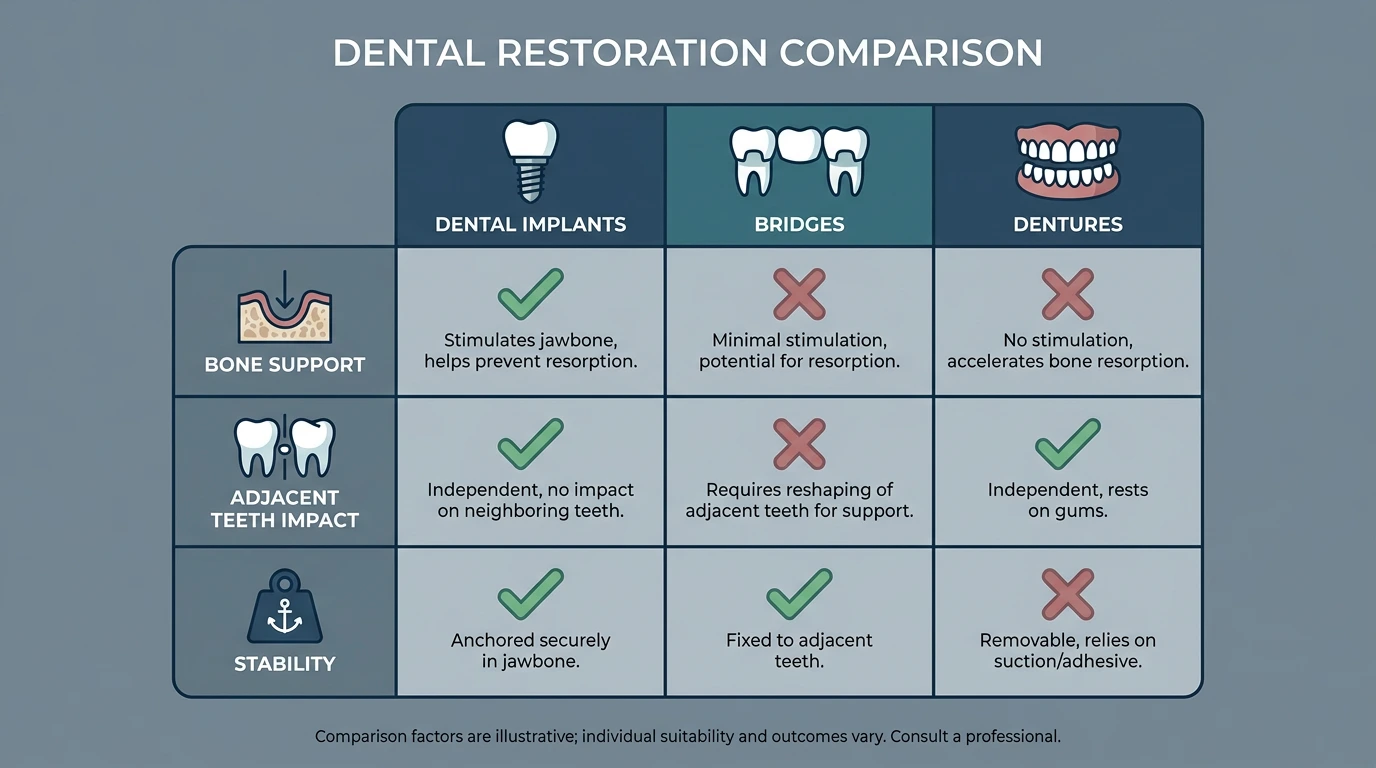
Dental restorations differ significantly in how they interact with surrounding oral structures and how they distribute daily chewing forces across the jaw. While removable appliances rest on the gums and traditional prosthetics rely on neighboring enamel, implants integrate directly with bone to deliver structural stability that mimics natural roots.

When evaluating tooth replacement paths, patients often consider several distinct factors:

  • Jawbone preservation: An implant post stimulates bone tissue through daily chewing pressure, which helps prevent the bone resorption commonly seen with missing teeth.
  • Protection of natural teeth: Unlike Dental Bridges, which require grinding down healthy adjacent teeth, standalone implants leave neighboring enamel untouched.
  • Firm everyday stability: While conventional Dentures can slip or click during conversation, implant restorations remain anchored securely in place.
  • Ease of oral hygiene: Implants allow for straightforward brushing and flossing between teeth, avoiding the specialized threaders required around bridge pontics.

During Justin's initial evaluation, Dr. Steven T. Cutbirth walked him through these distinct options. Justin realized that a bridge would require altering two healthy adjacent molars, making an independent implant post the ideal path forward for his oral health.

A comparison chart evaluates dental implants, bridges, and dentures across bone support, adjacent teeth impact, and stability with icons and checkmarks.

How Does the Dental Implant Process Work?

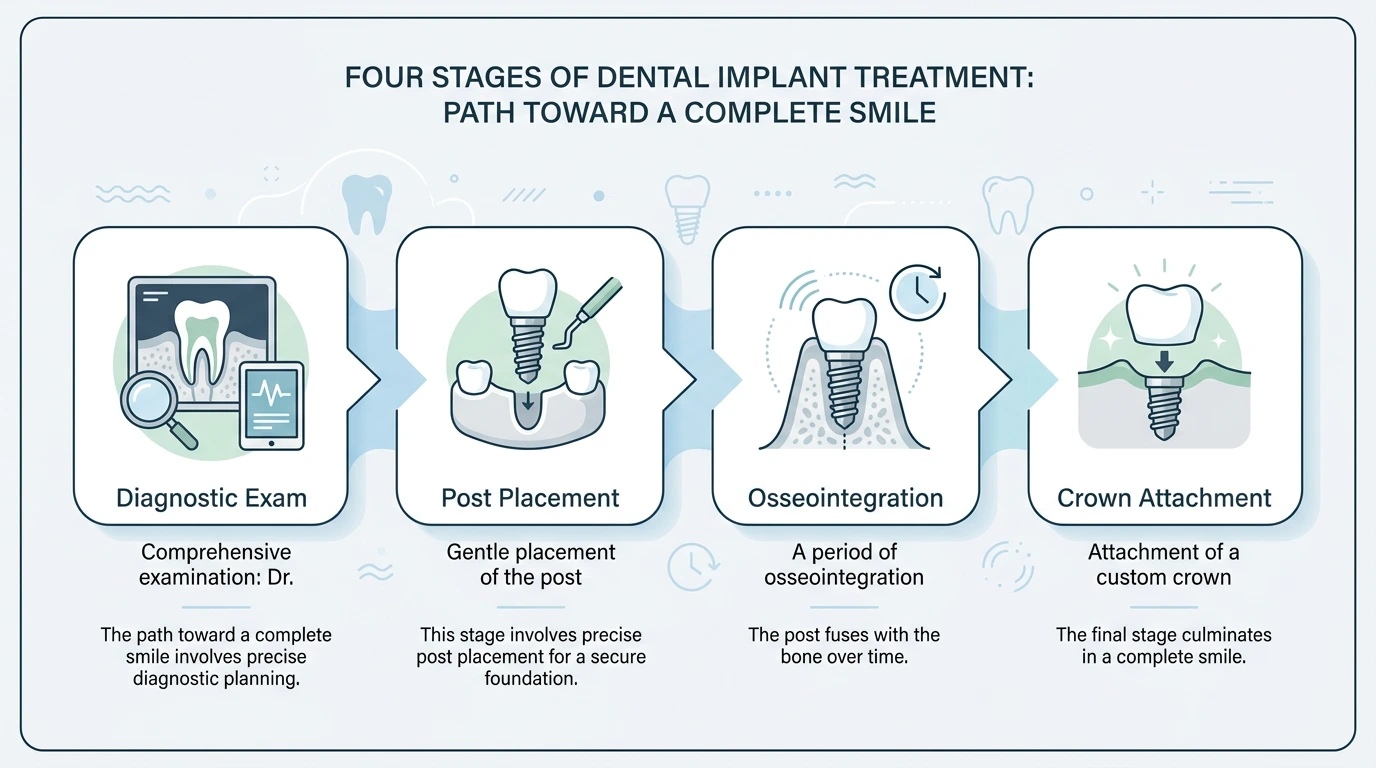
The path toward a complete smile involves precise diagnostic planning, gentle placement of the post, a period of osseointegration, and attachment of a custom crown. Each phase is tailored to individual anatomy, ensuring that the final restoration harmonizes seamlessly with the natural bite.

The primary stages of implant treatment include:

  • Comprehensive examination: Dr. Steven T. Cutbirth evaluates bone volume and oral health using modern imaging and thorough Dental Exams & X-rays.
  • Surgical post placement: A small titanium post is positioned into the jawbone during a carefully planned procedure designed for patient comfort.
  • Osseointegration period: Over several months, bone cells fuse to the titanium surface, forming a dependable biological bond.
  • Abutment and crown placement: Once healing is complete, a sturdy connector and custom Dental Crowns are secured to complete the tooth.

Justin appreciated understanding the exact roadmap before starting his treatment. Knowing that healing took place quietly beneath the surface gave him confidence throughout the multi-step treatment plan.

An infographic displays four steps of dental implant treatment with illustrations for diagnostic exam, post placement, osseointegration, and crown attachment.

Who Qualifies for Dental Implants?

Candidates for dental implants must have adequate jawbone density to anchor the post and healthy gum tissue free from active infection. Good overall health and a commitment to daily oral hygiene are equally vital for smooth healing and durable results.

When Dr. Steven T. Cutbirth evaluated Justin's oral structures, he paid close attention to bone volume where the tooth had been lost. Because Justin had waited two years, slight bone thinning had occurred, but an evaluation confirmed he still retained sufficient bone support for treatment.

Certain systemic health conditions, tobacco use, or untreated periodontal disease can influence healing times. Dr. Steven T. Cutbirth reviews medical histories thoroughly so patients seeking dental implants in Waco receive personalized guidance based on their specific physical wellness.

Justin felt reassured by this comprehensive approach to safety. He committed to pausing occasional tobacco use and focusing on optimal gum health, ensuring his oral environment was completely prepared for implant integration.

A rectangular callout box with quote marks displays the text Sufficient Bone Support alongside a jawbone and tooth illustration and decorative leaves.

Schedule Your Dental Implant Consultation

If missing teeth are affecting your comfort, confidence, or ability to chew your favorite foods, personalized care can help. Contact our welcoming team at Steven T. Cutbirth DDS to schedule your initial consultation and discover how dental implants can help restore your complete smile.

Welcoming dental office at Steven T. Cutbirth DDS

How Long Do Dental Implants Take to Heal?

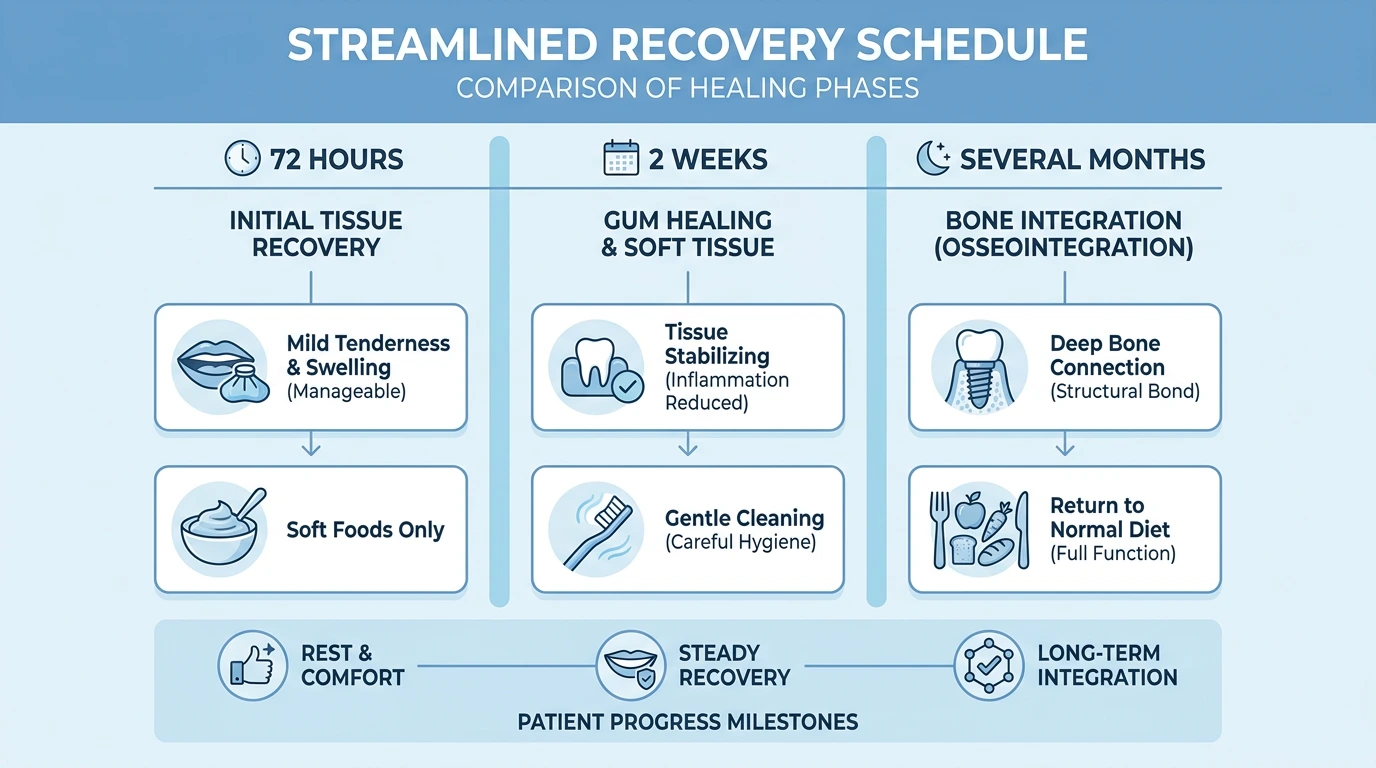
Healing occurs in distinct phases, beginning with initial soft tissue recovery over a couple of weeks, followed by deep osseointegration that typically spans three to six months. This deliberate biological timeline provides the solid foundation necessary to support normal biting forces over the long haul.

Patients can monitor their progress by understanding what to expect across several stages:

  • The first seventy-two hours: Mild tenderness and minor swelling are normal and manageable with recommended comfort measures and soft foods.
  • Two weeks post-procedure: Gingival tissues close around the site, allowing individuals to gradually resume a broader diet while avoiding direct pressure on the post.
  • Three to six months: Bone tissue slowly integrates with the post surface, securing the fixture beneath the gumline without any daily sensation.
  • Final restoration delivery: Once integration is verified, the final crown is secured, allowing patients to chew with renewed confidence.

Justin followed every post-procedure recommendation closely. He noticed that any mild tenderness faded within a few days, and his regular office schedule in Waco continued smoothly without disruption.

Dental recovery schedule infographic outlines healing phases across 72 hours, two weeks, and several months using icons to illustrate symptoms, oral hygiene, and dietary steps.

What Are the Daily Benefits of Implants?

Replacing missing teeth with dental implants restores the natural balance of your bite and prevents adjacent teeth from shifting out of alignment. Because the implant post acts like an organic root, it sustains healthy bone levels in the jaw, preserving natural facial contours over time.

For Justin, the most immediate relief was regaining the simple joy of eating his favorite foods without second-guessing every bite. He no longer had to chew exclusively on one side of his mouth, which alleviated the recurrent jaw strain he had lived with for months.

Beyond physical comfort, restoring his smile lifted a quiet social weight Justin had carried since losing his molar. He found himself smiling freely in meetings, feeling entirely confident that his restoration was indistinguishable from his natural teeth.

A smiling patient in a blue button-down shirt sits with colleagues at an outdoor cafe table, laughing over coffee and lunch together.

How to Care for Your Dental Implants?

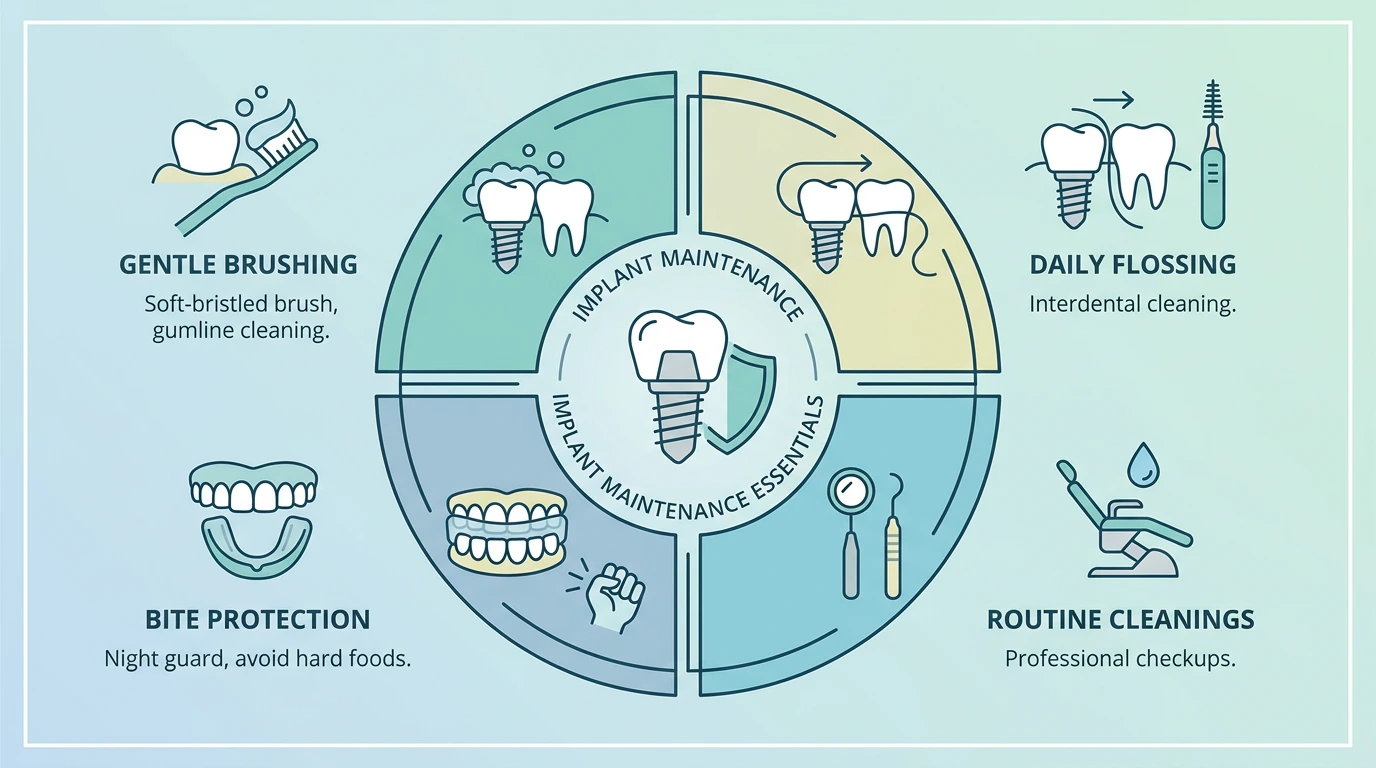
Maintaining dental implants is very similar to caring for natural teeth, relying on consistent daily hygiene and regular professional checkups. Proper maintenance keeps surrounding gum tissues healthy, protecting the bone foundation that holds the restoration securely in position.

An effective maintenance routine includes several key habits:

  • Twice-daily brushing: Clean along the gumline with a soft-bristled toothbrush to remove plaque without scratching restoration surfaces.
  • Daily flossing: Use unwaxed floss or interdental cleaning aids designed to clean gently around the implant abutment.
  • Routine professional cleanings: Visit the dental office regularly so hygienists can remove calculus and monitor the health of surrounding tissues.
  • Bite protection: Wear an athletic mouthguard or nightguard if you engage in contact sports or grind your teeth during sleep.

Dr. Steven T. Cutbirth demonstrated gentle flossing angles to Justin during a follow-up appointment. Justin quickly adopted these essential maintenance techniques into his evening routine, eager to protect his newly restored bite.

An infographic diagram outlines dental implant care in four sections: gentle brushing, daily flossing, bite protection, and routine cleanings with line icons.

Restoring Confidence and Comfort in Waco

Six months after his initial consultation, Justin looked in the mirror at a complete, seamless smile. The custom porcelain crown matched the shade, contour, and translucency of his natural teeth, filling the empty space that had bothered him for so long.

Working alongside an experienced implant dentist Waco residents trust helped Justin navigate every phase of care with ease. Dr. Steven T. Cutbirth guided him through each milestone, answering questions and ensuring every adjustment aligned comfortably with his natural jaw movements.

Today, Justin enjoys meals with family and speaks to colleagues without hesitation. Taking proactive steps to address his missing tooth not only restored his bite but also gave him lasting confidence in his oral health for years to come.

Decorative graphic banner featuring the text Restored Smile & Confidence over a blurred warm interior background, accented by a tooth icon and stylized leaves in the corners.
Categories:
OUR BLOG

Stay Informed with Expert Insights and Tips About Dental Care

10.8.2026
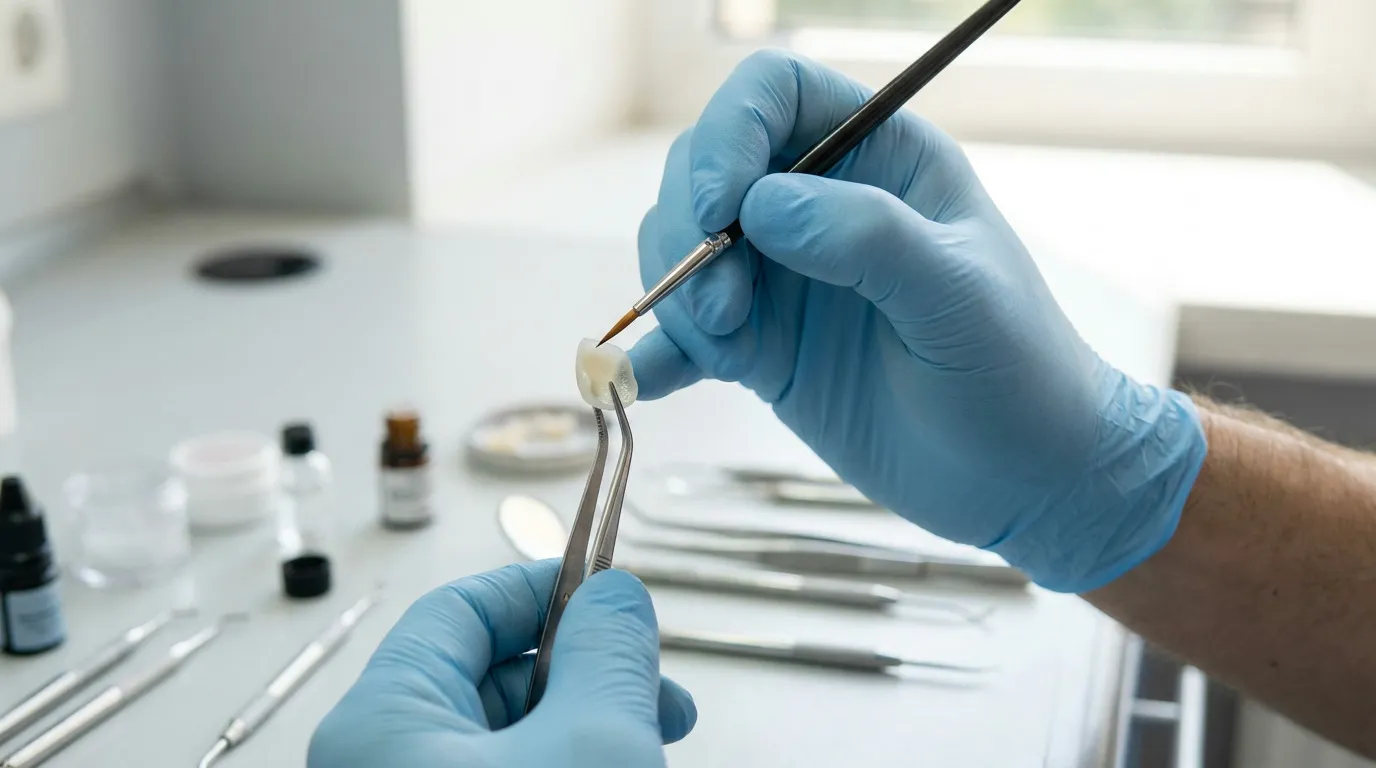
Gloved hands hold a dental crown with tweezers and apply material to it with a small brush, surrounded by dental tools and bottles on a white surface.

Are Dental Veneers Right for Your Smile?

Discover how dental veneers can enhance your smile and whether they're the right choice for you.

Read More
7.14.2026
Ashley, wearing a rust turtleneck, sits at a dining table at night, gently touching her jaw and cautiously sipping water.

Why Emergency Dentistry Services Are Crucial

Emergency dental care addresses sudden, severe oral issues like pain or trauma, preventing complications and preserving long-term oral health.

Read More
7.14.2026
Julia, wearing a teal linen shirt, holds a custom oral appliance, inspecting it thoughtfully by a bedroom reading nook.

Understanding Sleep Apnea Treatment Options

Understanding and treating sleep apnea can bring profound changes, improving sleep quality, reducing health risks, and boosting overall daily well-being.

Read More

Frequently Asked Questions

1. How long do dental implants usually last?
Dental implants are designed to be a long-lasting tooth replacement option. While the custom crown may eventually show normal wear over many years, the integrated post can remain stable for decades when supported by diligent brushing, flossing, and regular dental visits with Dr. Steven T. Cutbirth.

2. Is the dental implant placement procedure painful?
Modern placement procedures are planned carefully for patient comfort using local anesthesia and relaxing care options. Most individuals report only mild soreness for a few days following surgery, similar to having a routine filling, which can be easily managed with recommended comfort measures.

3. Can I get dental implants if I have bone loss?
Many patients with some bone loss can still receive dental implants. Dr. Steven T. Cutbirth evaluates your jaw structure using modern diagnostic imaging to determine whether bone volume is sufficient or if preparatory treatments can help build an adequate foundation for the implant post.

4. How do dental implants compare to dental bridges?
Dental implants replace a missing tooth independently by anchoring directly into the jawbone, preserving surrounding bone tissue. Dental bridges, by contrast, require altering healthy neighboring teeth to support a suspended artificial crown, and they do not stimulate underlying bone tissue beneath the gap.

5. How much do dental implants cost in Waco?
The cost of dental implants varies based on factors such as the number of teeth being replaced, whether preparatory procedures are needed, and individual insurance coverage. During your personalized consultation, Dr. Steven T. Cutbirth provides a clear breakdown of treatment factors and available financing plans.

6. What is the success rate for dental implants?
Dental implants are widely recognized as a reliable tooth replacement option when placed in healthy bone. Maintaining good oral hygiene, avoiding tobacco, and attending routine preventive checkups are the best ways to ensure your implant restoration remains healthy and functional.

GET IN TOUCH

Your Personalized Experience Starts Here

Have questions about your visit or treatment options? Reach out to our team and we'll be happy to assist you within 24 hours.