Back to Blogs

Understanding Sleep Apnea Treatment Options

Understanding and treating sleep apnea can bring profound changes, improving sleep quality, reducing health risks, and boosting overall daily well-being.

July 14, 2026
2 min read
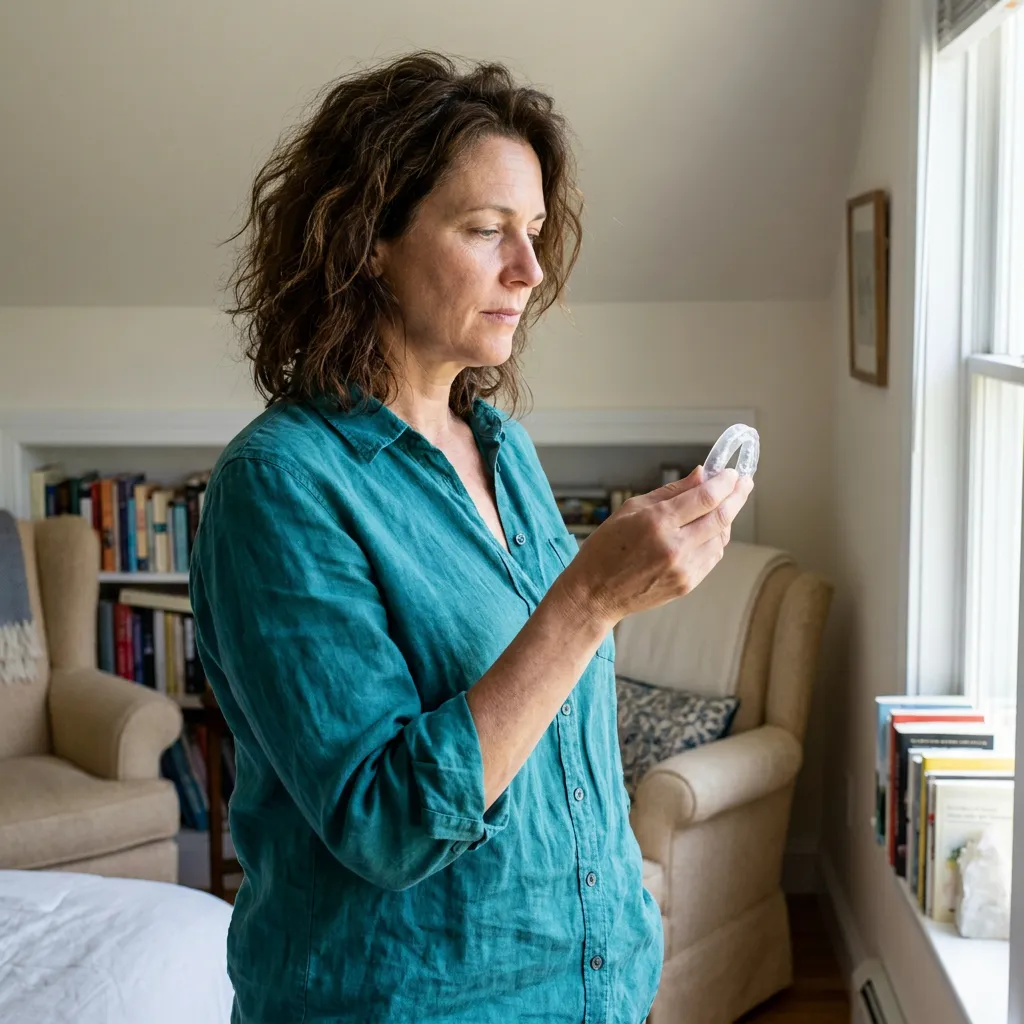
Julia, wearing a teal linen shirt, holds a custom oral appliance, inspecting it thoughtfully by a bedroom reading nook.
Back to Blogs
Julia, wearing a teal linen shirt, holds a custom oral appliance, inspecting it thoughtfully by a bedroom reading nook.

Understanding Sleep Apnea Treatment Options

Understanding and treating sleep apnea can bring profound changes, improving sleep quality, reducing health risks, and boosting overall daily well-being.

July 14, 2026
2 min read

Sleep Apnea Treatment Demystified

For many, the idea of treating sleep apnea can feel overwhelming, but understanding the options available marks the first step toward better rest and improved health. Effective treatment focuses on opening the airway during sleep, which can significantly reduce or eliminate disruptive breathing patterns. Dr. Steven T. Cutbirth and his team are dedicated to guiding patients through their journey to restorative sleep.

Julia, a woman in her early 40s, frequently woke feeling exhausted, despite getting what she thought was enough sleep. Her partner, Mark, often commented on her loud snoring and occasional gasps for air throughout the night. Julia’s concern grew when she started experiencing daytime fatigue that impacted her focus at work.

She knew something wasn't right and suspected it might be sleep apnea, a condition she’d read about. Her primary goal was to find a solution that would allow her to sleep soundly and regain her energy.

Julia, looks contemplatively out a sunlit window, holding a warm mug of tea, a look of tired concern on her face.

What Is Sleep Apnea Exactly?

Sleep apnea is a condition where a person experiences repeated pauses in breathing during sleep. These pauses, which can last from a few seconds to over a minute, disrupt the body's oxygen supply and wake the brain, even if the person doesn't fully remember waking. Dr. Steven T. Cutbirth emphasizes that proper diagnosis is crucial for effective treatment.

Julia learned that there are different types, with obstructive sleep apnea (OSA) being the most common, caused by relaxed throat muscles blocking the airway. She understood that these repeated interruptions prevented her from reaching the deep, restorative stages of sleep. The team explained that identifying the specific type and severity helps tailor the most appropriate treatment plan.

Common Signs and Symptoms

  • Loud, chronic snoring: A frequent and often noticeable symptom.
  • Daytime fatigue: Feeling tired even after a full night's sleep.
  • Waking with a dry mouth or sore throat: Due to mouth breathing or snoring.
  • Morning headaches: A common result of disrupted sleep and oxygen levels.
  • Irritability or difficulty concentrating: Caused by chronic sleep deprivation.
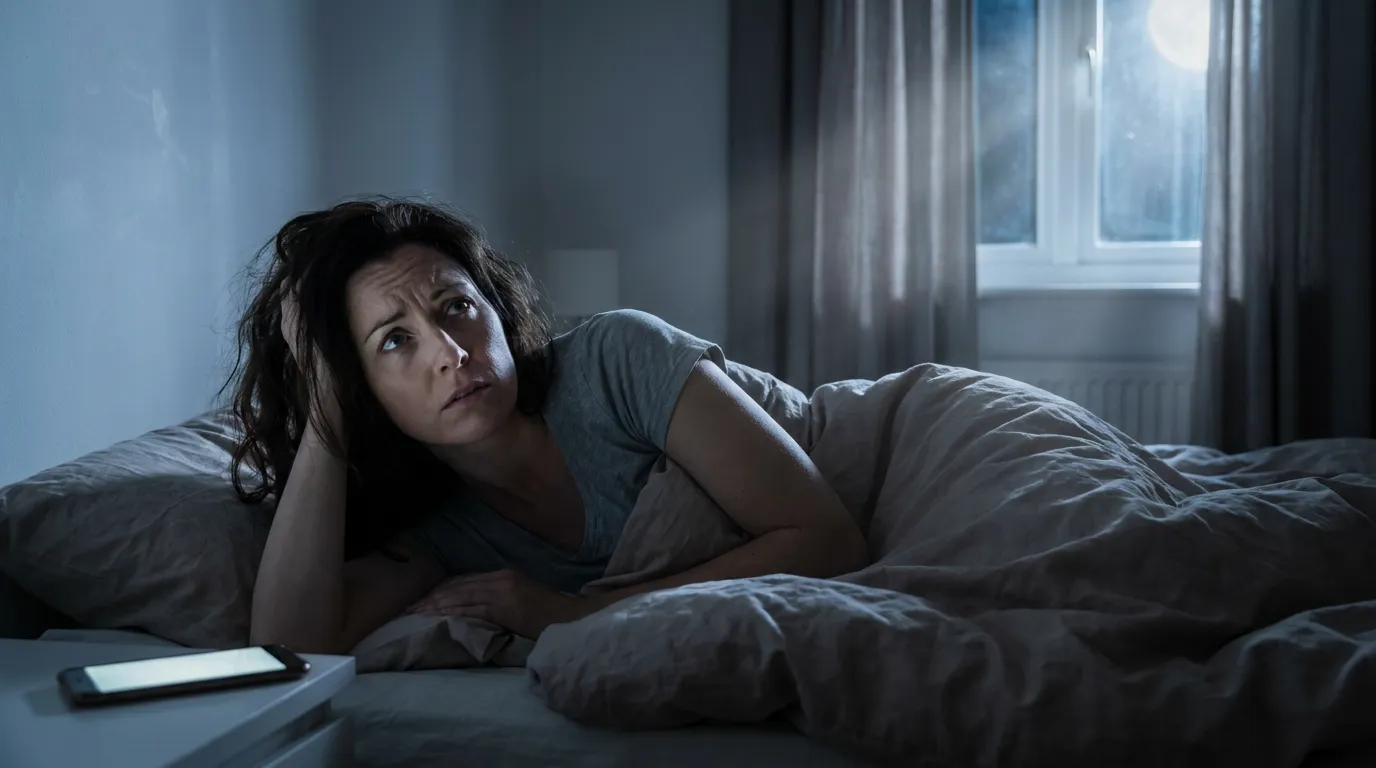
A woman in her late 30s lies restless in bed, covers tangled, staring at the ceiling with an anxious expression.

How Is Sleep Apnea Diagnosed?

Diagnosing sleep apnea typically begins with a thorough evaluation of symptoms and a physical examination by a healthcare professional. Dr. Steven T. Cutbirth often recommends a sleep study, which is the definitive way to confirm the condition and determine its severity. This sleep study monitors breathing patterns, heart rate, and oxygen levels during sleep.

Julia underwent an overnight sleep study, which provided the team with valuable data. The results confirmed her suspicions, revealing that she indeed had obstructive sleep apnea. This diagnosis was a relief, giving her a clear path forward to treatment.

Diagnostic Steps

  • Initial consultation: Discussing symptoms, medical history, and sleep habits.
  • Physical examination: Checking for factors like jaw structure or enlarged tonsils.
  • Referral for a sleep study (polysomnography): Can be done at home or in a clinic.
  • Analysis of sleep study results: Interpreting data to confirm diagnosis and severity.
  • Personalized treatment planning: Based on the type and severity of sleep apnea.
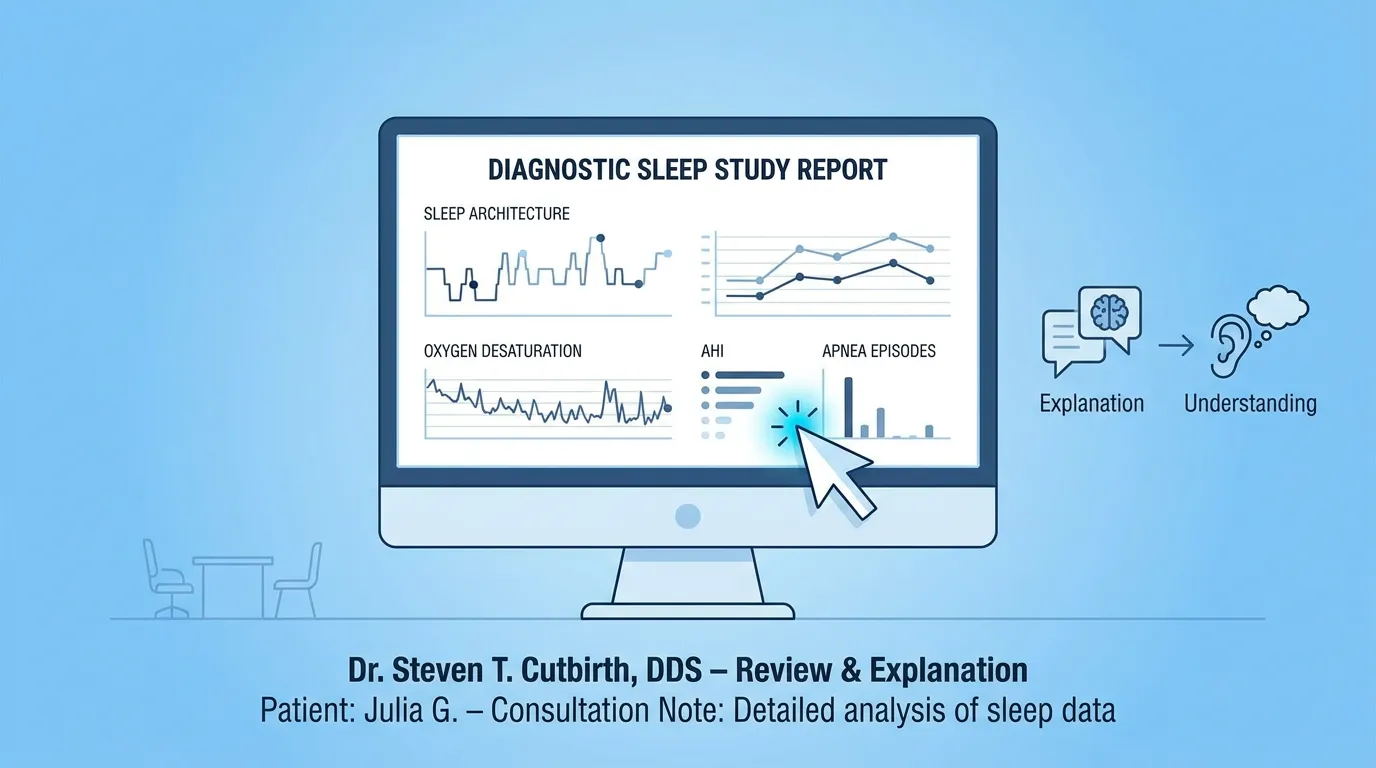
Dr. Steven T. Cutbirth, explains a diagnostic sleep study report to Julia, in a modern, well-lit consultation room. He gestures to a detailed chart on a monitor.

Treatment Options for Sleep Apnea

Once sleep apnea is diagnosed, various treatment options are available, tailored to each patient’s specific needs and the severity of their condition. The primary goal of any treatment is to keep the airway open during sleep, ensuring uninterrupted breathing and better oxygen flow. Dr. Steven T. Cutbirth believes in a personalized approach, exploring the most comfortable and effective solutions for his patients.

Julia was initially apprehensive about treatment, imagining only complex machinery. However, she was pleasantly surprised to learn about the range of options, including non-invasive approaches. Dr. Steven T. Cutbirth explained that the best solution for her would depend on her specific diagnostic results and lifestyle. Many patients find significant relief and improved sleep quality with the right intervention.

A close-up of various dental instruments laid out on a sterile tray, including a mouth mirror, explorer, and measuring tools, ready for an examination.

Schedule an Appointment Today

If you suspect you may be suffering from sleep apnea, or if you are experiencing chronic snoring and daytime fatigue, do not hesitate to contact Dr. Steven T. Cutbirth DDS. Our team is ready to discuss your symptoms, answer your questions, and guide you toward a diagnosis and personalized treatment plan. Take the first step towards better sleep and improved overall health by scheduling a consultation.

Can Dentists Treat Sleep Apnea?

Yes, dentists play a significant role in treating certain types of sleep apnea, particularly mild to moderate obstructive sleep apnea. Dr. Steven T. Cutbirth is highly experienced in providing oral appliance therapy, which offers an effective alternative for many patients. These custom-fitted devices are designed to comfortably reposition the jaw and tongue.

Julia was particularly interested in this option, finding the idea of a small, custom device appealing. She appreciated that it was less intrusive than other treatments she had researched. The team explained how these appliances work by keeping the airway open and preventing obstruction.

Dental Sleep Apnea Treatments

  • Oral appliance therapy: Custom-made devices worn during sleep.
  • Jaw repositioning: Gently moves the jaw forward to prevent airway collapse.
  • Tongue stabilization: Some appliances help position the tongue to avoid blockage.
  • Non-surgical approach: A less invasive option for many patients.
  • Comfort and portability: Often preferred by those who travel or dislike bulkier machines.
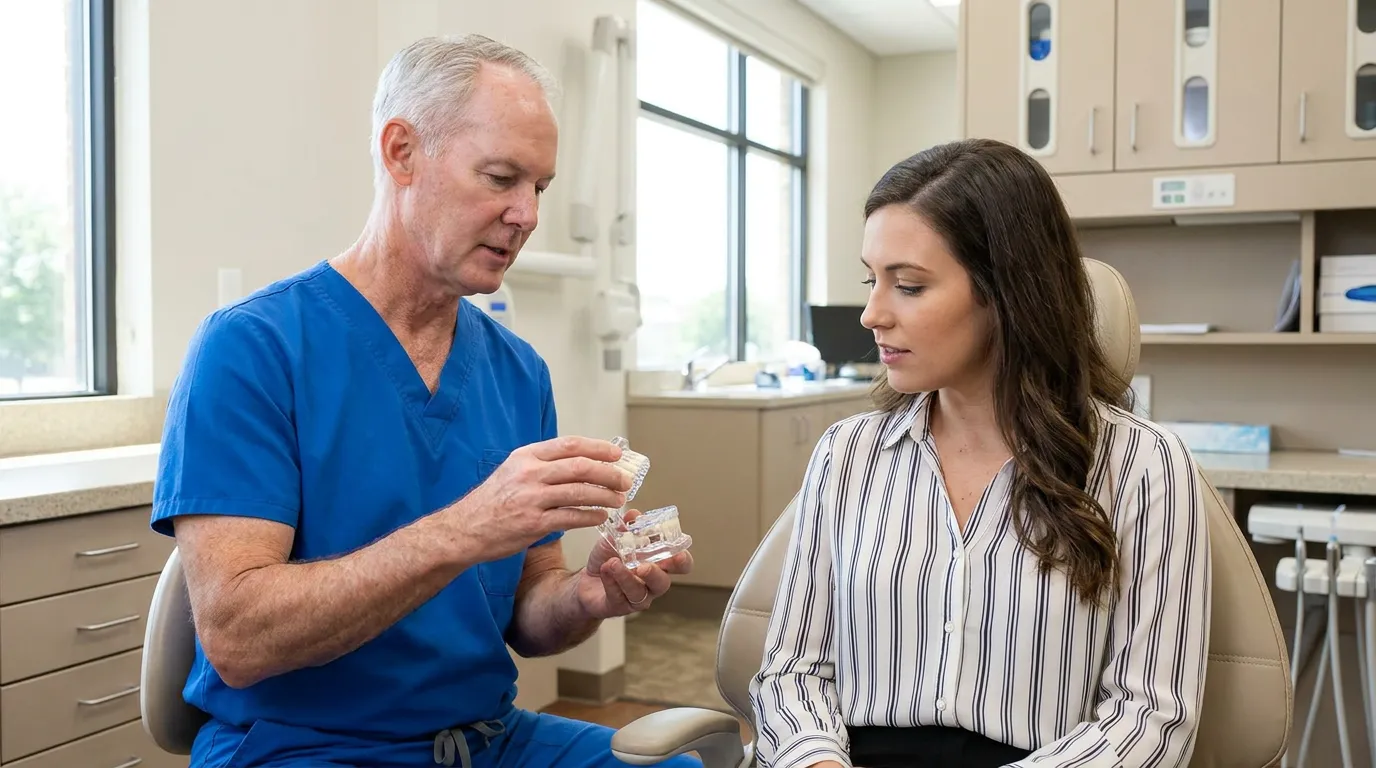
Dr. Steven T. Cutbirth, shows Julia, a model of a jaw with a clear oral appliance in place, demonstrating how it repositions the jaw. They are in a clean, professional dental office.

Oral Appliance Therapy Explained

Oral appliance therapy begins with a thorough dental examination and precise measurements of the patient’s mouth and jaw. Dr. Steven T. Cutbirth uses these measurements to create a custom-fitted appliance, similar to a sports mouthguard. This ensures maximum comfort and effectiveness. The appliance gently repositions the lower jaw or holds the tongue forward to prevent airway obstruction.

Julia found the fitting process straightforward, involving impressions of her teeth. She received a device tailored specifically for her, making it comfortable to wear. Dr. Steven T. Cutbirth guided her on how to properly insert and clean the appliance, ensuring she felt confident using it nightly. Regular follow-up visits are crucial to monitor progress and make any necessary adjustments.

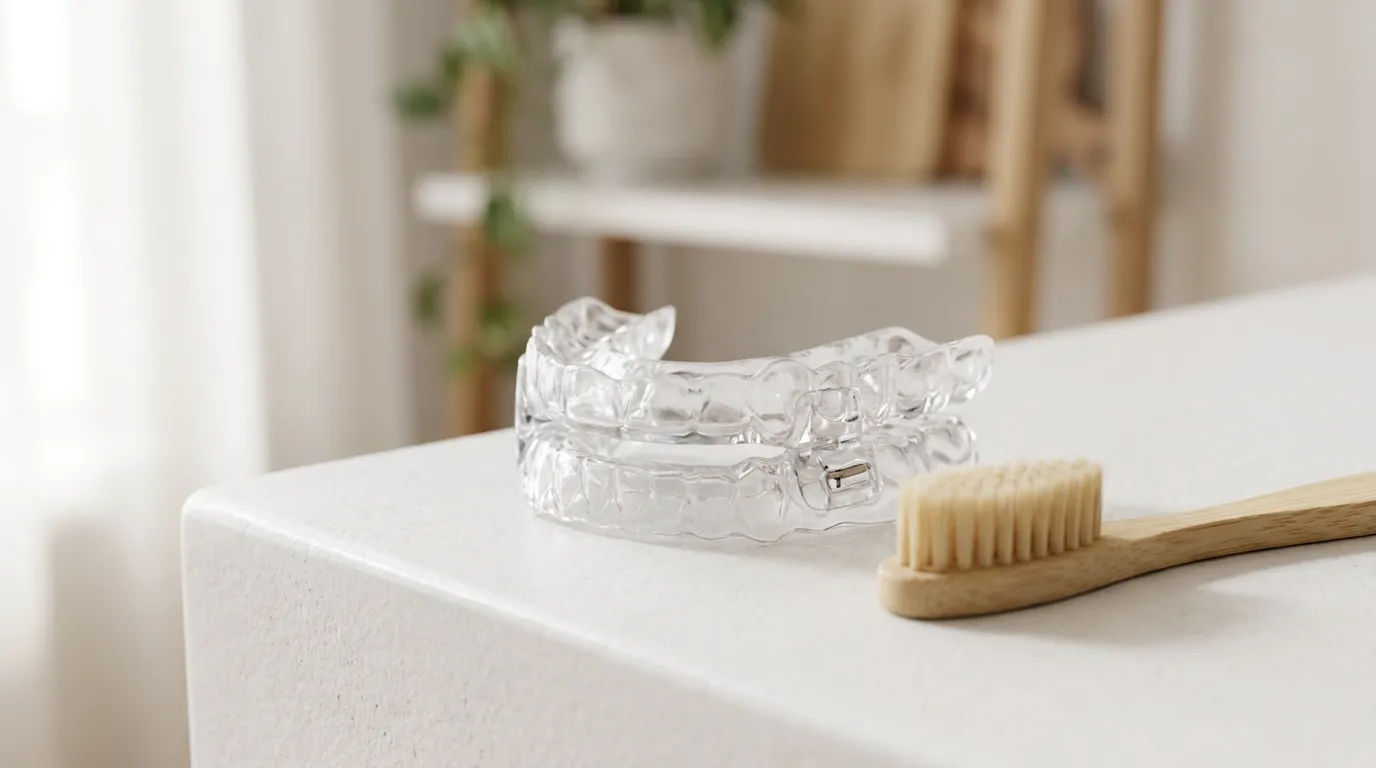
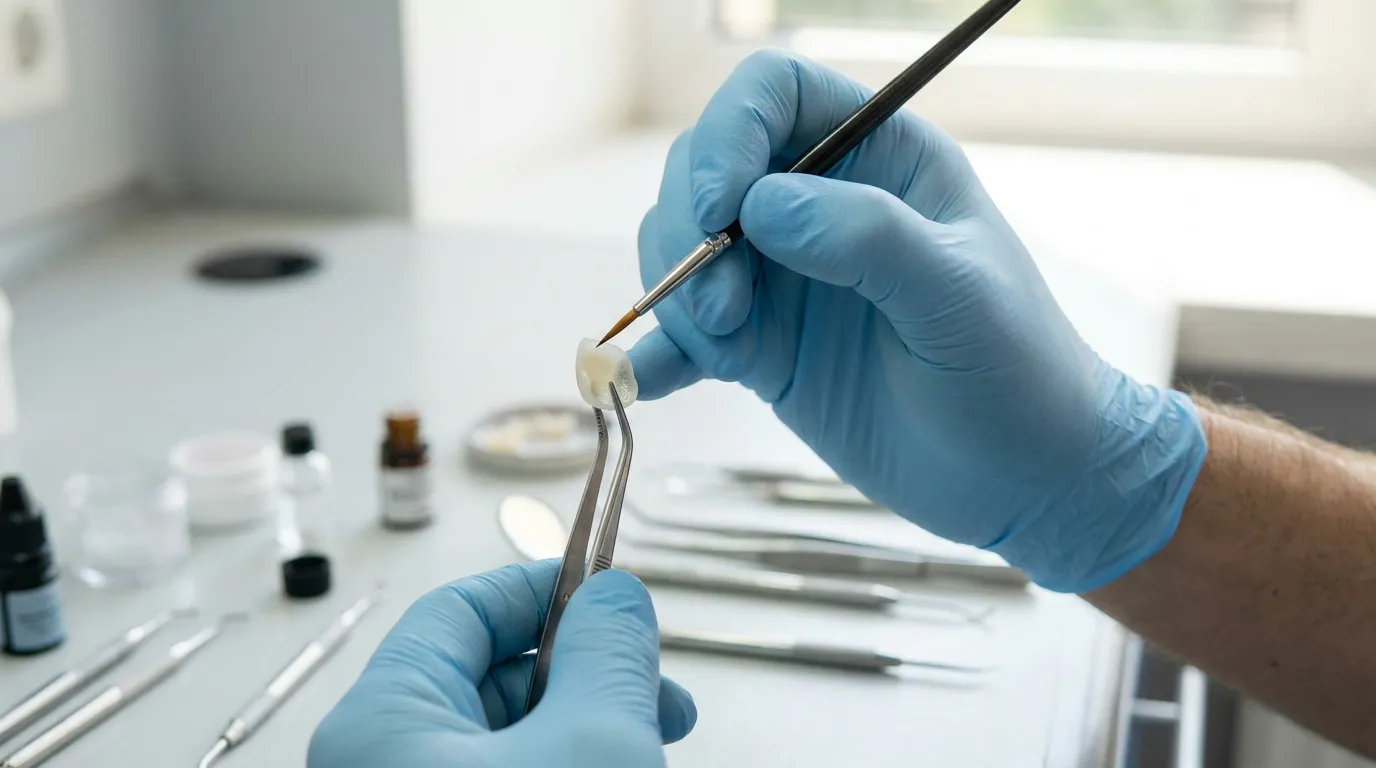
A detailed close-up shot of a clear, custom-fitted oral appliance for sleep apnea resting on a clean, white surface, next to a small, soft cleaning brush.

Benefits of Sleep Apnea Treatment

Effective sleep apnea treatment offers a wide range of benefits that extend far beyond simply reducing snoring. Patients often experience a dramatic improvement in their overall quality of life. Dr. Steven T. Cutbirth has seen countless individuals regain their energy, improve their mood, and enhance their cognitive function after successful treatment.

Julia quickly noticed positive changes once she started using her oral appliance. Her daytime fatigue lessened, and she found herself more focused at work and less irritable with Mark. The treatment not only addressed her sleep apnea but also significantly improved her daily well-being. She felt more rested and alert than she had in years.

Key Benefits of Treating Sleep Apnea

  • Improved sleep quality: Deeper, more restorative sleep without interruptions.
  • Reduced snoring: Often a welcome relief for both the patient and their partner.
  • Increased energy and alertness: Counteracting daytime fatigue and grogginess.
  • Better mood and concentration: Enhancing cognitive function and emotional well-being.
  • Reduced health risks: Lowering the risk of associated conditions like high blood pressure.
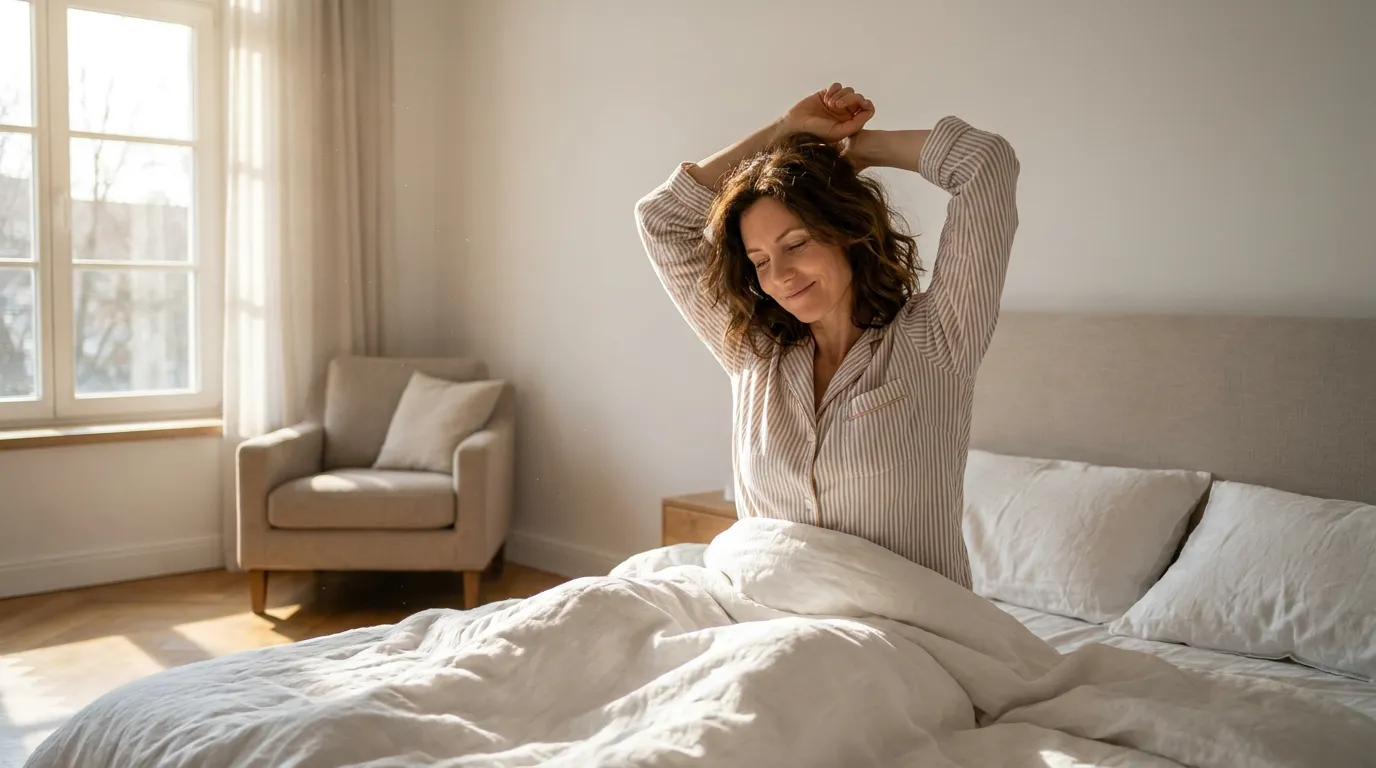
Julia, wakes up in a bright, airy bedroom, stretching with a serene and refreshed smile.

Beginning Your Sleep Apnea Journey

Embarking on the path to sleep apnea treatment can feel like opening a new chapter, one filled with the promise of restful nights and energized days. Dr. Steven T. Cutbirth and his dedicated team at the practice understand that every patient's journey is unique, requiring a compassionate and expert hand.

Their commitment lies in providing personalized care, ensuring each individual receives a solution perfectly tailored to their needs, allowing them to rediscover the profound benefits of truly restorative sleep. It is about more than just addressing a medical condition; it is about significantly enhancing life's daily experiences.

For Julia, the decision to seek treatment for her sleep apnea transformed her daily life. The persistent exhaustion that once shadowed her days gave way to a newfound vitality. She found herself more engaged with her partner, Mark, and able to tackle her professional responsibilities with greater clarity and enthusiasm, a far cry from her previous struggles with concentration. Her once frequent headaches became a distant memory, replaced by mornings that felt genuinely refreshing.

Julia’s journey serves as a powerful reminder that taking action against sleep apnea can unlock a healthier, happier existence. Whether through oral appliance therapy or another recommended approach, the goal remains the same: to help patients breathe easier, sleep deeper, and live fuller. The team at Dr. Steven T. Cutbirth's office takes immense pride in guiding individuals like Julia toward these life-changing outcomes, one peaceful night at a time.

Julia, works at her office desk with a focused and energetic expression, looking at a computer screen.
OUR BLOG

Stay Informed with Expert Insights and Tips About Dental Care

7.14.2026
Ashley, wearing a rust turtleneck, sits at a dining table at night, gently touching her jaw and cautiously sipping water.

Why Emergency Dentistry Services Are Crucial

Emergency dental care addresses sudden, severe oral issues like pain or trauma, preventing complications and preserving long-term oral health.

Read More
7.14.2026
Erin, in a soft pink blouse, bites into an apple at her kitchen island, looking relieved.

Overcoming Anxiety With Sedation Dentistry Benefits

Conquer dental anxiety with modern sedation dentistry benefits for comfortable, stress-free care even for complex procedures.

Read More

Frequently Asked Questions

1. What does a dentist do for sleep apnea?
A dentist like Dr. Steven T. Cutbirth can diagnose and treat mild to moderate obstructive sleep apnea, often by providing custom-fitted oral appliances. These devices gently reposition the jaw or tongue to keep the airway open during sleep, preventing breathing interruptions and improving sleep quality.

2. Is oral appliance therapy effective for sleep apnea?
Yes, for many individuals with mild to moderate obstructive sleep apnea, oral appliance therapy is highly effective. It offers a comfortable, non-surgical alternative that significantly reduces snoring and sleep disturbances for a better night's rest. Its success depends heavily on a precise, custom fit.

3. How long does sleep apnea treatment take to work?
Many patients experience improved sleep and reduced symptoms within the first few nights or weeks of consistent oral appliance use. The full benefits, such as increased daytime energy and reduced health risks, may become more apparent over a few months of continued therapy and follow-up adjustments.

4. Are there side effects of oral appliance therapy?
Some patients may experience temporary minor side effects like jaw discomfort, tooth sensitivity, or changes in bite, especially during the initial adjustment period. These typically resolve with continued use or minor adjustments by Dr. Steven T. Cutbirth. Long-term side effects are rare.

5. Does dental insurance cover sleep apnea treatment?
Many dental and/or medical insurance plans offer some coverage for sleep apnea diagnosis and treatment, particularly for oral appliance therapy, as it addresses a medical condition. Our office team can help you understand your specific insurance benefits and explore financing options available.

6. Can losing weight help with sleep apnea?
For some patients, particularly those whose sleep apnea is linked to obesity, weight loss can significantly reduce the severity of their condition or even resolve it entirely. While not a standalone solution for everyone, it can be an important part of a comprehensive treatment plan to improve airway patency.

CONNECT WITH US

Your Personalized Experience Starts Here

Have questions about your visit or treatment options? Reach out to our team and we'll be happy to assist you within 24 hours.

Oops! Something went wrong while submitting the form.