
Essential Frequently Asked Questions | (FAQs) About Sleep Apnea
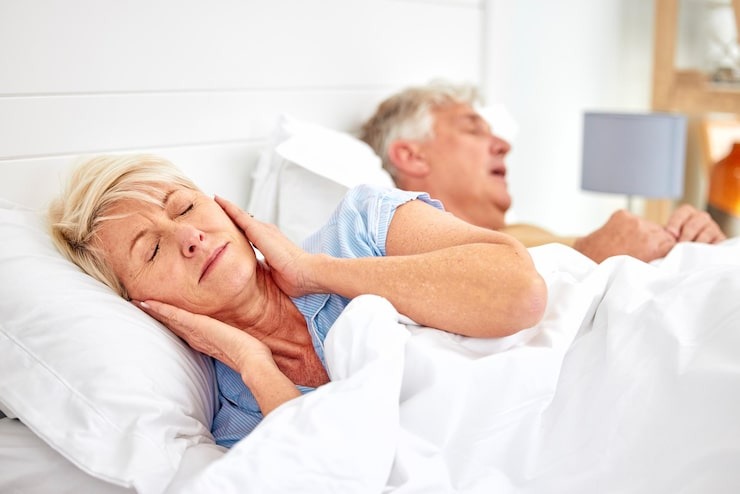
Did you know sleep apnea can be very dangerous, even life-threatening? Snoring might seem small, but it can be a warning sign of a serious health problem called sleep apnea. This condition stops your breathing while you sleep, and your body doesn’t get enough oxygen.
When that happens, it can lead to big problems like memory loss, high blood pressure, heart attacks, or even strokes. If you or a loved one snores at night, feels exhausted during the day, or often wakes up feeling weak and restless, please don’t ignore it.
Getting help now can protect your health and maybe even save your life.
At Steven T. Cutbirth, DDS, you can trust our caring team to help you with your sleep apnea problems. We genuinely care about your health and comfort.
Dr. Cutbirth will carefully look into your condition and create a treatment plan made just for you. Whether you need simple lifestyle changes, special sleep therapy, or other treatments, we are here to help, even if your case seems mild.
With the right care, you can finally breathe easier and sleep peacefully again. We can answer all the questions you may have about sleep apnea, like: “What is sleep apnea?” “What causes sleep apnea?” or “What are sleep apnea symptoms?”
Schedule your consultation today to discover personalized sleep treatment options, gain a better understanding of your condition, and improve your sleep and overall quality of life.
Call us at 254-772-5420 to get the care you need and deserve!
Sleep Apnea Frequently Asked Questions (FAQs)
Here are some of the most common and frequently asked questions (FAQs) about sleep apnea and their answers.
How Do You Stop Sleep Apnea?
You can help stop sleep apnea by losing weight, sleeping on your side, and avoiding alcohol or smoking. Some people use a CPAP machine that keeps their airway open during sleep.
Regular exercise and healthy eating can also help. In some cases, doctors may suggest surgery or dental sleep devices.
What Are the First Signs of Sleep Apnea?
The first signs include loud snoring and brief pauses in breathing while sleeping. You might wake up tired, with a dry mouth or headache. Feeling sleepy during the day is also common. Others may notice you gasp or choke in your sleep.
What Is the 3% Rule for Sleep Apnea?
The 3% rule means a breathing pause is counted as an apnea event if oxygen levels drop by 3% or more. Doctors use this to measure the severity of your sleep apnea. It helps them decide the best treatment. The higher the number, the more serious the apnea.
What Is the Root Cause of Sleep Apnea?
The root cause is usually blocked airways when muscles in the throat relax too much. Being overweight or having a small airway can also cause it. Sometimes, the brain forgets to send signals to breathe. These problems stop air from flowing smoothly during sleep.
How Did Shaq Fix His Sleep Apnea?
Shaquille O’Neal treated his sleep apnea by using a CPAP machine every night. He also lost weight and made healthier lifestyle choices. These changes helped him sleep better and feel more energetic. His story encouraged others to get tested and treated.
What Organs Are Affected by Sleep Apnea?
Sleep apnea primarily affects the heart, brain, and lungs. It lowers oxygen levels, making these organs work harder. Over time, this can cause high blood pressure and other health problems. The whole body feels the stress from poor sleep and low oxygen.
Can Sleep Apnea Affect My Heart?
Yes, sleep apnea can harm your heart because it causes oxygen levels to drop repeatedly. This can raise blood pressure and strain your heart. Over time, it increases the risk of heart attacks and strokes. Treating sleep apnea protects your heart’s health.
Does Sleep Apnea Happen Every Night?
Yes, sleep apnea usually occurs every night if left untreated. Your breathing stops many times while sleeping. Some nights it may be worse if you are exhausted or drink alcohol. Using treatment helps reduce how often it happens.
Why Is Sleep Apnea So Common Now?
Sleep apnea is more common now because more people are overweight and less active. Modern lifestyles cause poor sleep habits and stress. Many people also use screens late at night, which affects sleep. Doctors are better at finding and diagnosing sleep apnea now, too.
What Does Waking Up From Sleep Apnea Feel Like?
Waking up from sleep apnea can feel scary or confusing. You might gasp for air or feel your heart racing. Sometimes you wake up with a dry mouth or headache. You may not remember it, but you still feel tired in the morning.
How Serious Is Sleep Apnea?
Sleep apnea can be severe if left untreated. It can cause heart disease, high blood pressure, and tiredness. It affects memory and mood, too. With proper care, it can be managed, and you can live a healthy life.
What Is the Best Sleeping Position for Apnea?
The best sleeping position for sleep apnea for most people is on their side. This keeps your airway more open and helps you breathe better. Sleeping on your back can make it worse. Using a special pillow can also help keep your head in a proper sleeping position.
What Causes Sleep Apnea and Snoring?
Snoring happens when your airway is partially blocked while you sleep. There are many reasons this can occur. Sometimes your throat muscles relax too much, your nose is blocked, or your jaw is not in the correct position.
Extra fat around the throat can also make breathing difficult, leading to snoring. Other things, like being overweight, drinking alcohol before bed, or sleeping in certain positions, can make it worse.
Snoring and breathing pauses are important signs of sleep apnea. People with this condition may stop breathing or struggle to breathe while they sleep. Ignoring these signs can put your health in danger.
You can protect yourself and your loved ones by scheduling a complete checkup at Steven T. Cutbirth, DDS. Our team will help you understand your condition and find the best treatment so you can sleep safely and feel your best.
What Are the Signs of Sleep Apnea?
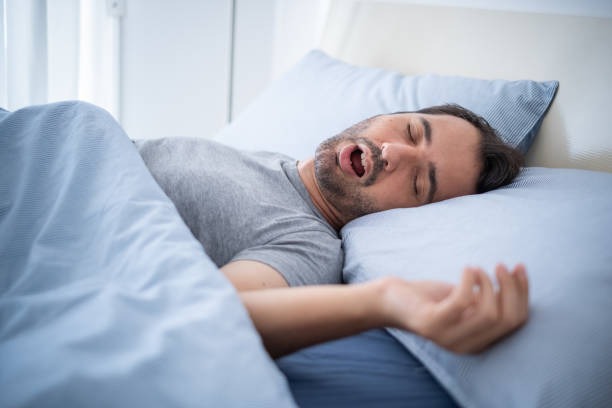
Many people do not realize they have sleep apnea or other sleep problems. One common sign is snoring, which a partner or family member might notice. If you live alone, you can try recording yourself while sleeping or using phone apps to check your sleep and snoring.
But the best way to know for sure is through a professional sleep study. At our office in Waco, TX, we conduct sleep studies to monitor and record how your body functions while you sleep. This helps us fully understand your condition.
Other signs of sleep apnea include feeling very tired or groggy during the day, even after a whole night’s sleep. Ignoring these signs can lead to serious health problems, so getting checked early is very important.
What Happens When You Have Sleep Apnea?
When you have sleep apnea, your breathing stops and starts many times during sleep. This makes it hard for your body to get enough oxygen. You may wake up feeling tired even after a full night’s rest. Over time, it can hurt your heart and brain health.
What Are 5 Symptoms of Sleep Apnea?
Five common symptoms are loud snoring, waking up gasping for air, feeling very sleepy during the day, morning headaches, and trouble focusing. Some people also wake up with a dry mouth or sore throat. These signs indicate your sleep is often disturbed.
How Can I Tell if I Have Sleep Apnea?
You might have sleep apnea if you snore loudly, wake up choking, or feel very tired during the day. Morning headaches and mood changes are also signs. A sleep study is the best way to know for sure. A doctor can help test and properly diagnose it.
What Not to Do With Sleep Apnea?
People with sleep apnea should not drink alcohol or take sleeping pills before bed. These can relax the throat muscles and worsen breathing. It’s also best to avoid sleeping on your back and to quit smoking. Following treatment every night is very important.
Can Sleep Apnea Go Away?
Sleep apnea can go away for some people, especially if they lose weight or fix the cause. For others, it stays but can be controlled with treatment. Using a CPAP machine or a dental mouth device can help. Healthy living and regular checkups make it easier to manage.
What Happens to Your Brain if You Have Sleep Apnea?
Sleep apnea deprives your brain of oxygen many times a night. This can cause memory loss, mood changes, and poor focus. Over time, it may increase the risk of stroke and dementia. Treating it helps protect your brain health and thinking skills.
What Are the Symptoms of Untreated Sleep Apnea?
Untreated sleep apnea causes chronic fatigue, poor concentration, and irritability. It can also lead to high blood pressure, heart disease, and depression. You may snore loudly and wake up often at night. Without treatment, these problems can get worse over time.
What Does Sleep Apnea Sound Like?
Sleep apnea often sounds like loud, irregular snoring followed by long pauses in breathing. The person may gasp, choke, or snort as they start breathing again. These sounds can repeat many times during the night. It can be loud and scary for others to hear.
What Happens if Sleep Apnea Is Left Untreated?
If sleep apnea is not treated, it can cause serious health problems. It may lead to high blood pressure, heart disease, and stroke. People also feel exhausted and have poor focus during the day. Over time, it can shorten a person’s life.
What Are the Warning Signs of Sleep Apnea?
Warning signs include loud snoring, gasping for air while sleeping, and feeling tired even after a whole night’s sleep. You might also have morning headaches and trouble paying attention. Others may notice you stop breathing for short times at night.
What Is the Average Age of Death for Sleep Apnea Patients?
There is no exact age, but untreated sleep apnea can shorten life by many years. People with severe, untreated apnea have a higher risk of dying from heart problems. With treatment, most people can live a long and healthy life.
What Are the Symptoms of Silent Sleep Apnea?
Silent sleep apnea may not include loud snoring, but you still stop breathing during sleep. Symptoms include tiredness, headaches, and trouble focusing. You might wake up often without knowing why.
What Are the Main Causes of Sleep Apnea?
The leading causes are relaxed throat muscles, being overweight, and having a small airway. Smoking, alcohol, or nasal problems can make it worse. Sometimes the brain does not send the right signals to breathe. These causes block airflow while sleeping.
What Is the Last Stage of Sleep Apnea?
The last stage is severe sleep apnea. In this stage, breathing stops more than 30 times per hour. Oxygen drops low, and the heart and brain are affected. It can cause serious health problems if left untreated.
How Do Dentists Treat Sleep Apnea?
Dentists can make a special mouthpiece called an oral appliance. It keeps your lower jaw forward to stop the airway from closing. This helps you breathe better while sleeping. It’s a good option for mild or moderate sleep apnea.
Can Heart Damage From Sleep Apnea Be Reversed?
In some cases, heart damage can improve after treating sleep apnea. Using a dental sleep apnea device and living a healthy lifestyle helps your heart recover. But if the damage is severe, it may not fully heal. Early treatment gives the best chance.
What Is Mild Sleep Apnea?
Mild sleep apnea means you stop breathing about 5 to 14 times per hour while sleeping. It’s less severe but still affects your rest and energy. You might snore or feel sleepy during the day. Lifestyle changes and mouth devices can often help.
What Is the Fastest Way to Cure Sleep Apnea?
There is no quick cure for sleep apnea, but you can feel better faster by using a dental sleep apnea device and addressing the causes, such as being overweight or having blocked nasal passages.
Making healthy lifestyle changes, such as exercising regularly and quitting smoking, can make a big difference. In some cases, surgery may be an option to improve breathing during sleep.
What Are Daytime Snoring and Sleep Apnea Symptoms?
Snoring can interrupt your sleep and cause many problems during the day. When your body doesn’t get good rest, you may feel very tired, weak, or sleepy all the time. Lack of sleep can also make you irritable or moody and can even affect your heart health.
To keep yourself and your loved ones safe, it’s important to take action now! At Steven T. Cutbirth, DDS, we can provide a comprehensive checkup and effective, personalized treatments that have helped many patients sleep better and feel healthier.
Is Snoring a Serious Problem?
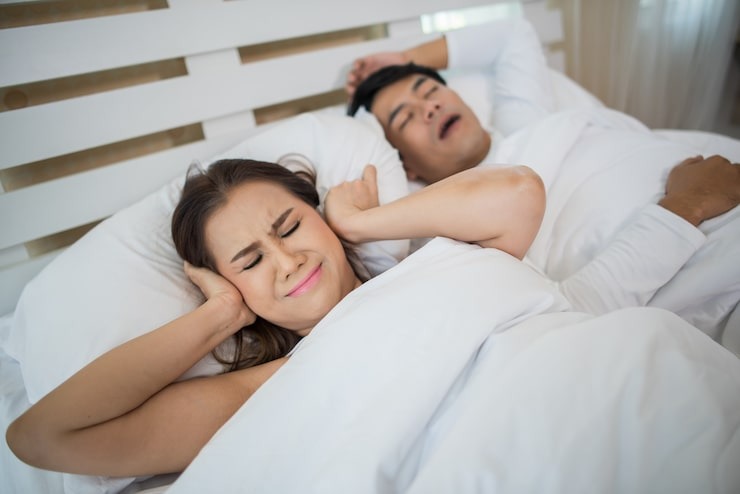
Sometimes snoring may seem harmless, but loud, frequent snoring could be a sign of more serious health problems, such as obstructive sleep apnea.
OSA happens when your breathing stops and starts while you sleep, which keeps your body from getting enough oxygen. Many people use sleep apnea machines to help, but these are not always good, permanent solutions.
If snoring is affecting your health, energy, and relationships, it’s important to get help. At Steven T. Cutbirth, DDS, we can provide a comprehensive evaluation and offer effective treatments to improve your sleep and reduce your symptoms.
Schedule your consultation in Waco, TX, with Dr. Steven T. Cutbirth, DDS, for effective sleep treatment.
Call us at 254-772-5420 and take the first step toward better sleep.
Can Sleep Apnea Be Reversed?
Yes, sleep apnea can sometimes be reversed, especially if it’s caused by being overweight or lifestyle habits. Losing weight, eating healthy, and avoiding alcohol or smoking can help.
For some people, using a CPAP machine or an oral device is still needed. With proper care, symptoms can improve significantly.
What Part of the Brain Is Damaged by Sleep Apnea?
Sleep apnea can harm parts of the brain that control memory, mood, and breathing, especially the hippocampus and frontal lobe. Low oxygen during sleep can damage brain cells. Treating sleep apnea helps protect the brain and may improve thinking.
Why Did My Sleep Apnea Go Away?
Your sleep apnea may have resolved if you lost weight, improved your fitness, or corrected a nasal or throat issue. Lifestyle changes can reduce pressure on your airway. However, it’s important to check with a doctor to make sure it’s truly gone.
How Can I Test Myself for Sleep Apnea Symptoms?
Finding out if you or someone you love has a sleep problem is easier than you might think. You can try a small home device that you wear while sleeping. It gently tracks your heart rate, breathing, and oxygen levels to see if anything is interrupting your sleep.
For the most complete and accurate results, a professional sleep study in a lab can provide detailed information about your sleep patterns. Watch for signs like loud snoring, pauses in breathing while you sleep, or feeling extremely tired during the day.
Getting tested early can help you sleep more peacefully, have more energy during the day, and protect your health for the future.
After an initial diagnosis, Dr. Steven T. Cutbirth at our office in Waco, TX, can review your results and recommend appropriate treatments, including a sleep apnea machine.
Can an Apple Watch Detect Sleep Apnea?
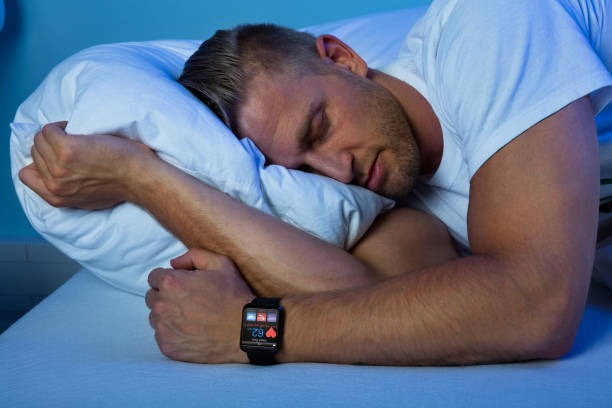
Apple Watches cannot diagnose sleep apnea, but they can track your sleep and show unusual patterns. Some people notice signs of sleep apnea with the device, but these are not definite signs of a sleep problem.
A proper diagnosis needs special testing by healthcare professionals. Still, using a wearable device like an Apple Watch can help you notice potential issues early.
If your watch shows unusual sleep or breathing patterns, contact Steven T. Cutbirth, DDS, to discuss home sleep apnea testing and take the next step toward better sleep and health.
Schedule your consultation with Dr. Steven T. Cutbirth, DDS, in Waco, TX, for the best sleep solutions.
Call us at 254-772-5420 to get the treatment you need today.
What Is the Treatment for Sleep Apnea?
Treating sleep apnea usually starts with simple lifestyle changes to help you breathe better and stay healthier. This can include losing weight.
For more serious cases, CPAP therapy is often used. It delivers gentle airflow through a mask to keep your airway open while you sleep.
At Steven T. Cutbirth, DDS, we focus on your comfort and review your health history to offer modern, minimally invasive treatments. These treatments have helped many patients sleep better and feel healthier, giving hope for a better quality of life.
How Long Can You Live With a Sleep Disorder?
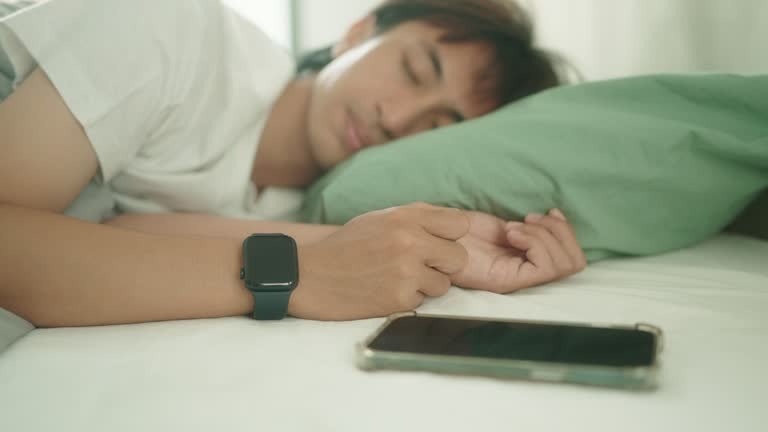
Untreated sleep apnea can be very serious. It can lower your life expectancy and increase the risk of long-term health problems like diabetes and heart disease.
At Steven T. Cutbirth, DDS, our experts are here to answer your questions. It’s very important to get an accurate diagnosis, especially if you experience episodes where you stop breathing during sleep. Early treatment can help protect your health and improve your quality of life.
With the proper care and management, many people have improved their sleep, energy, and overall well-being. For personalized guidance on managing sleep apnea, schedule your consultation with Steven T. Cutbirth, DDS, today.
Take Control of Your Sleep Health Today!
Are you or someone you love showing signs of sleep apnea? Don’t ignore it; sleep apnea can cause serious health problems if left untreated. At Steven T. Cutbirth, DDS, we are committed to helping you sleep better, feel healthier, and improve your overall well-being.
Many people don’t realize how sleep apnea can affect mood and energy and even increase the risk of depression, but our expert team can create a treatment plan just for you.
Don’t wait for it to get worse. Take the first step toward more restful nights and more energy during the day.
Steven T. Cutbirth, DDS, is here to give you the care and guidance you need to take control of your sleep and improve your quality of life. Say goodbye to sleepless nights and hello to renewed energy.
Schedule your consultation today to explore solutions for better sleep and improved well-being.
Call us at 254-772-5420 to get personalized sleep solutions from Dr. Steven T. Cutbirth, DDS, in Waco, TX.