
Dental Implants Frequently Asked Questions (FAQs) Explained
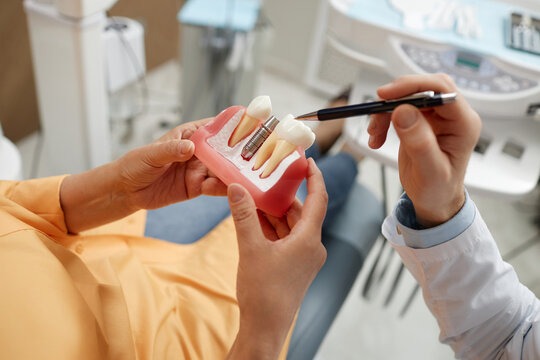
If you’re considering dental implants and have questions about security, you likely have common questions like, “How long do they last?” or “How does the treatment work?”
At Steven T. Cutbirth, DDS, we are dedicated to providing clear answers and personalized support. Dental implants replace missing teeth, restoring function and appearance for a durable, beautiful smile.
During your consultation, our experienced team at Steven T. Cutbirth, DDS, will explain the process, factors involved, and benefits to help you make an informed decision. Schedule your no-obligation consultation today and take the first step toward a healthier, confident smile!
What Is a Dental Implant?
When considering tooth restoration, one key question is, “What is a dental implant?” A dental implant is a durable solution for replacing missing teeth, designed to look, feel, and function like natural teeth.
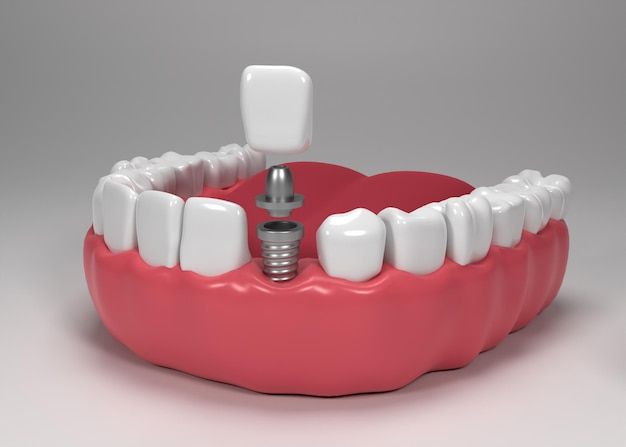
It consists of three key components: the implant (a titanium post placed in your jawbone), the abutment (a connecting piece), and the crown (the visible replacement tooth).
Once completed, you can comfortably eat, smile, and speak with confidence. Schedule your consultation now to explore your best dental implant options.
Call us at 254-772-5420 to find out how dental implants can restore your smile.
How Do Dental Implants Work?
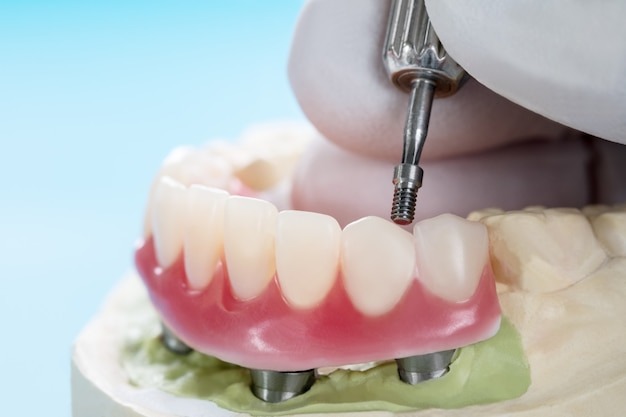
Dental implants are placed in your jawbone under local anesthetic for comfort.
The titanium implant acts as an anchor, fusing with your bone through a natural process called osseointegration. This process, which usually takes a few months, creates a stable foundation like natural tooth roots.
Once the osseointegration process is complete, an abutment is attached to your implant. This abutment serves as a connecting piece, holding your custom-made crown in place. This ensures your replacement tooth feels natural and functions seamlessly in your daily life.
How Long Does Dental Implant Treatment Take?
The timeline for dental implant treatment varies based on your individual needs. At Steven T. Cutbirth, DDS, we begin with a comprehensive consultation to discuss your options.
Following implant placement, a few months of healing are essential for proper integration between your implant and your jawbone.
Once healed, your final crown or bridge is placed, completing your new smile. Some patients may require additional steps, like a bone graft, to ensure long-term success. While the process takes time, the results are worth it for a secure, long-lasting solution.
Why Choose Dental Implants Over Other Options?
Dental implants offer numerous benefits over alternative restorations, including:
- Longevity: With proper care, implants can last a lifetime.
- Natural Fit: Custom-made implants blend seamlessly with your smile, offering unmatched comfort and aesthetics.
- Jawbone Health: Implants stimulate your jawbone, preventing bone loss and maintaining facial structure.
- Stability: They keep your surrounding teeth stable, preventing unwanted shifts and misalignment.
Dental implants are a reliable, long-term investment in your dental health and confidence. At Steven T. Cutbirth, DDS, we create personalized treatment plans tailored to your unique needs, ensuring the best possible outcome for your smile.
How Painful Is the Dental Implant Procedure?
Rest assured, your dental implant procedure is designed to be as comfortable as possible. At Steven T. Cutbirth, DDS, we use local anesthesia to numb the area, ensuring a pain-free treatment.
After your procedure, some swelling or minor discomfort is common but can typically be managed with over-the-counter pain relievers and ice packs.
Our team may also prescribe medication if necessary. Most patients find the recovery smooth, with any discomfort subsiding within a few days. Following Dr. Cutbirth’s care instructions is key to a comfortable and successful healing process.
How Long Do Dental Implants Last?
With proper care, dental implants can last a lifetime, making them a reliable and long-term investment in your dental health. Practicing good oral hygiene, like regular brushing and flossing, helps keep your implants and gums healthy and prevents decay.
Avoiding habits like smoking ensures better outcomes. Regular dental check-ups also allow your dentist to monitor and address potential issues early, keeping your implants in excellent condition.
What Can I Eat After Having Dental Implants?
After receiving dental implants, stick to a soft-food diet for the first few days to avoid stressing the implant site. Foods like smoothies, mashed potatoes, and soups are ideal. Steer clear of hard, crunchy, or sticky items to promote healing.
Gradually reintroduce solid foods as you recover, and maintain proper nutrition and hydration to support the healing process.
Are Dental Implants Removable? Do They Stay in My Mouth?
Dental implants are a permanent solution for missing teeth. Once your implant is fused with your jawbone, it functions like a natural tooth root, holding your replacement tooth securely in place.
Unlike dentures, implants do not need to be removed for cleaning or maintenance. This offers enhanced stability, allowing you to eat, speak, and smile with confidence.
What if I prefer Metal-Free Dental Implants?
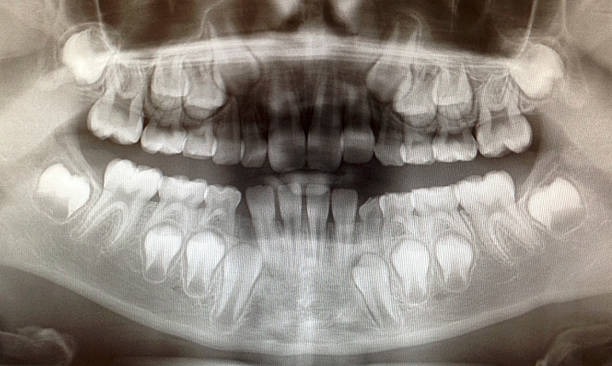
If you are concerned about metal allergies or prefer a more natural aesthetic, we offer metal-free zirconia implants. Zirconia is a biocompatible ceramic material that mimics the appearance of natural teeth.
These implants are an excellent option for those seeking a holistic approach. However, zirconia may not be suitable for all dental conditions, so it’s essential to consult our experienced dentist to determine the best solution for your needs.
What Teeth Will I Have While My Dental Implants Heal?
During your healing period after implant surgery, temporary solutions can maintain your smile and function. Options such as temporary crowns, bridges, or removable partial dentures can help you speak and smile confidently while your implants integrate with your jawbone.
Regular check-ups at Steven T. Cutbirth, DDS, ensure everything is on track, and once healing is complete, Dr. Cutbirth will place your custom, permanent restoration.
How Many Teeth Can Be Replaced With Dental Implants?
Dental implants offer flexible solutions for replacing one tooth, multiple teeth, or entire arches. A single implant supports a crown, while multiple implants can anchor bridges or full-arch restorations, such as implant-supported dentures or the All-on-4 method.
Dr. Cutbirth will evaluate your needs, bone density, and overall dental health to determine if you are a good candidate for this approach for your smile.
Whether for one tooth or a full-mouth restoration, schedule your consultation at Steven T. Cutbirth, DDS, in Waco, TX, to explore your options.
Who Qualifies for Dental Implants?

Many patients are excellent candidates for dental implants, but certain factors may affect eligibility, such as:
- Smoking
- Insufficient bone structure (a bone graft may resolve this)
- Gum disease
- Lack of commitment to good oral hygiene
At Steven T. Cutbirth, DDS, our skilled team will evaluate your smile and design a personalized plan just for you.
Schedule your consultation and learn whether dental implants are right for you.
Call us at 254-772-5420 to learn whether dental implants are right for you.
What Are the Downsides to Dental Implants?
The main downsides of dental implants include a higher upfront cost, a need for sufficient jawbone, and a longer treatment timeline.
Dental implants also carry small risks such as infection, implant rejection, or sinus complications, but these are uncommon.
Do You Have Stitches With Dental Implants?
Yes, dental implant surgery often requires small stitches to close the gum tissue around your implant area. Many dental implants use dissolvable stitches that fall out on their own, while others may need to be removed after about 1 week.
What’s the Worst Part of a Dental Implant?
For most patients, the most challenging part of dental implants is the healing period, known as osseointegration. This phase can take several months as the implant fuses with your bone. Temporary swelling, tenderness, and dietary restrictions may also be inconvenient.
How Long Does a Dental Implant Procedure Take?
Placing a dental implant typically takes about 1–2 hours per implant. However, the entire dental implant process from consultation to final crown can take 3–6 months or longer, depending on healing time and whether bone grafting is needed.
Are Dental Implants Covered by Insurance?
Insurance coverage for dental implants varies widely. Some dental insurance plans cover part of your implant procedure, such as the crown or extraction, while others exclude implants entirely. Many patients rely on financing or supplemental dental plans to offset implant costs.
Who Is Not a Good Candidate for Implants?
People with insufficient jawbone density, uncontrolled diabetes, gum disease, or certain medical conditions may not be ideal candidates for dental implants. Heavy smokers or individuals with poor oral hygiene may also face higher risks and may require additional preparation.
What Hurts Worse, Tooth Extraction or Implant?
Most people report that a tooth extraction is more painful than receiving a dental implant. Dental implant surgery is controlled and performed gently under anesthesia, whereas extractions involve removing a damaged or infected tooth, which can be more uncomfortable.
Are You Awake During Dental Implant Surgery?
Yes, most dental implant procedures are performed while you are awake using local anesthesia. Some patients choose sedation dentistry for relaxation.
Do They Drill Into Your Jaw for Dental Implants?
Yes, a small, precise hole is drilled into your jawbone to create space for the dental implant post. This is done under anesthesia, so you feel pressure but no pain. Drilling allows the implant to be securely anchored in your bone.
Can You Taste Food With Dental Implants?
Yes, dental implants do not affect your ability to taste food. Because implants act like natural tooth roots and do not cover the palate like dentures do, they maintain the full taste experience.
Is Getting a Dental Implant Worth It?
Dental implants are often considered worth it because they look natural, restore full chewing ability, prevent bone loss, and last for decades with proper care. For many patients, dental implants offer long-term comfort and confidence compared to dentures or bridges.
What Is the Best Age to Get Implants?
Dental implants are typically recommended for adults aged 18 and older, once the jawbone has fully developed. There is no upper age limit for dental implants; seniors often make excellent candidates as long as they have healthy gums and sufficient bone density.
The best age for dental implants is simply when the patient has stable dental health and enough jawbone to support the implant.
How Many Teeth Can One Implant Replace?
A single dental implant can replace a single tooth, but implants can also support multiple teeth. For example, two implants can support a three or four-tooth dental bridge.
In full mouth restorations, as few as four to six implants can support an entire arch of teeth using implant-supported dentures or All on 4 implants.
Can I Eat Normally With Implants?
Yes, you can eat normally with dental implants once they have fully healed and integrated. Implants function like natural teeth, allowing you to chew comfortably and enjoy all foods, including tough, crunchy, and chewy items.
During your healing phase, however, Dr. Cutbirth may recommend a soft food diet to protect your implant.
What Is the Cost of a Single Tooth Implant?
A single dental implant can be more expensive than a single crown due to the high-quality materials used, such as titanium posts and custom-made porcelain crowns.
The procedure also requires advanced technology, surgical expertise, and several appointments, including imaging, placement, and restorative work.
Despite the higher upfront cost, dental implants are durable and long-lasting, offering better long-term value than other tooth replacement options.
Schedule your consultation now and get clear answers to all your implant questions.
Call us at 254-772-5420 to experience quality care from Dr. Cutbirth and his experienced team.
Are Dental Implants Worth the Money?
Yes, dental implants are widely considered worth the investment because they offer permanent tooth replacement, natural aesthetics, improved chewing ability, and prevention of jawbone loss.
Unlike dentures, dental implants do not slip, do not require adhesives, and do not limit your diet. Their longevity and functionality often make them a cost-effective solution over time.
How Much Does a Tooth Implant Cost?
The cost of a single tooth implant varies for everyone. It depends on X-rays, implant materials, location, and whether additional procedures like bone grafting are needed. This price usually includes the implant post, abutment, and crown.
How Much Is a Real Tooth Implant?
A “real” dental implant refers to a full implant system consisting of the titanium post, abutment, and crown. The cost varies with the implant brand, the need for bone grafting, and your case’s complexity. High-quality components last longer and integrate more predictably.
Is a Single Tooth Implant Worth It?
Most patients feel a single-tooth dental implant is worth it because it looks natural, functions like a real tooth, and preserves bone. Unlike bridges, it doesn’t require reshaping healthy teeth, which keeps your smile and jawline stronger over time.
Which Is Better, an Implant or a Bridge?
A dental implant is often preferred because it replaces the missing tooth without affecting the neighboring teeth and helps keep your jawbone active and healthy.
A bridge can be a good choice when surrounding teeth already need crowns, when there’s not enough bone density in the jaw for an implant, or when healing time is a concern. The better option depends on long-term goals and dental health.
How much Is the Cost for One Tooth Implant?
A dental implant includes surgical placement, precision components, high-grade materials, and a custom crown. It also requires advanced imaging and specialized training to ensure safe and predictable results.
Each person’s implant cost is different because of all the differentiating circumstances. The investment supports long-term durability rather than short-term fixes.
How Much Is a Single Tooth Implant With Insurance?
Your final cost for a dental implant with insurance depends on how much your plan covers for the crown, abutment, or diagnostic services.
Some policies cover a percentage, while others offer fixed allowances. A detailed treatment estimate helps you see what’s covered before you start.
Are There Cheaper Alternatives to Implants?
Bridges and removable dentures usually cost less than dental implants initially, but they may require more maintenance over the years.
An implant is often more cost-effective because it protects bone and doesn’t rely on other teeth, costing you less maintenance money over the years. The right choice depends on your health and long-term goals.
What Are the Risks of Dental Implants?
A dental implant is a safe procedure, but risks can include infection, slow healing, or implant failure if your bone isn’t strong enough. Good planning, using 3D imaging, and a proper technique help prevent complications. Most issues are rare and manageable.
What Is the 3/2 Rule for Dental Implants?
The 3/2 rule helps dentists plan ideal spacing for a dental implant to protect gum health and create a natural-looking result.
It refers to having at least 3 millimeters of space between an implant and a natural tooth and 2 millimeters of bone around the implant. Proper spacing helps prevent bone loss and keeps your final crown looking balanced.
How Long Is Too Long to Wait for a Dental Implant?
Waiting too long can lead to bone loss, making dental implant placement more difficult and potentially requiring grafting.
Most dentists recommend replacing a missing tooth within a few months to protect the bite and prevent shifting. Earlier treatment usually leads to better long-term outcomes.
Can Implants Get Cavities?
A dental implant itself can’t get cavities because it’s made of titanium and ceramic. The surrounding gums, however, can still get inflamed if plaque builds up. Good hygiene keeps your gums healthy and helps your implant last as long as possible.
What Is the Dental Implant Success Rate?
A dental implant has one of the highest success rates in modern dentistry, often above 95 percent when placed in healthy bone. Success depends on proper planning, good oral hygiene, and avoiding smoking. With consistent care, implants can stay stable for decades.
Is There an Age Limit for Getting Implants?
There’s no upper age limit for a dental implant as long as the patient has healthy bone and good overall health. The only requirement is that the jaw has finished developing, which usually happens in the late teens. Many older adults are excellent candidates.
How Many Times Can a Dental Implant be Replaced?
A dental implant post can often last decades, but the crown on top may need to be replaced after years of normal wear. If the implant fails or is damaged, it can sometimes be replaced once the bone has healed. Consistent care helps extend the lifespan of the entire restoration.
Do Implants Require Special Toothpaste?
A dental implant doesn’t require special toothpaste, but non-abrasive products are recommended to protect the crown’s surface.
Regular brushing and flossing keep your gums healthy and help your implant stay secure. Dr. Cutbirth may suggest tools such as soft brushes or water flossers to make cleaning easier.
Get Your Dental Implants Consultation
Take the first step toward your dream smile at Steven T. Cutbirth, DDS. If you’re searching for an expert implant dentist in Waco, look no further.
Dr. Cutbirth handles the entire dental implant process from start to finish, ensuring seamless, top-quality care. To help you make an informed decision, we offer dental implant consultations, no strings attached.
Click below to schedule your dental implant consultation! During your visit, Dr. Steven Cutbirth will address all your questions and guide you through the process, and answer dental implants frequently asked questions (FAQs).
Don’t wait. Call us today at 254-772-5420 to transform the look, feel, and function of your smile!